
Logo
Get Estimate

Water Extraction in Rome for Flooded Homes

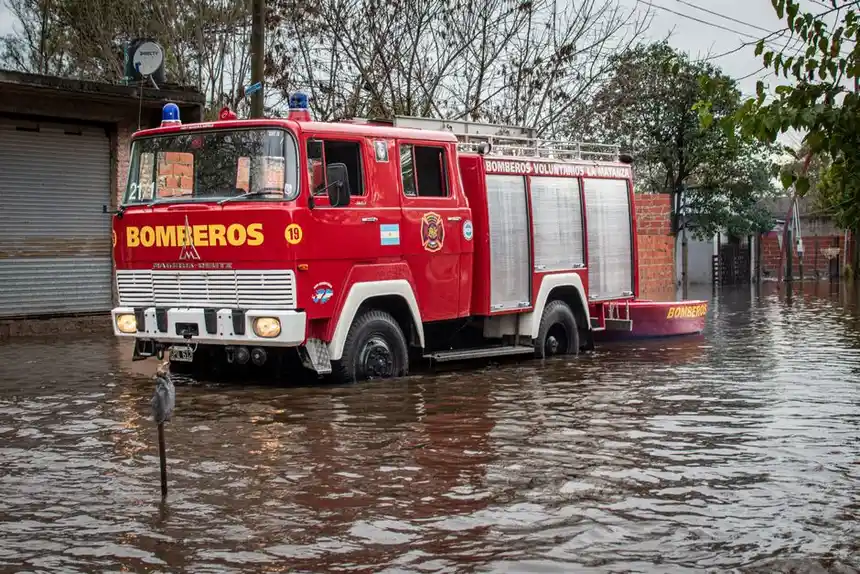
Water Extraction in Rome starts with stopping the spread, removing water, and checking what remains inside floors and walls. New York Water Extraction Pros serves homes and commercial properties across Rome, New York, from the downtown area to neighborhoods near Fort Stanwix. For emergency water removal, call us when a pipe breaks, a basement takes on water, or a storm leaves standing water behind. We bring extraction equipment suited to the size and access of the loss.

Call for Help Get Water Removed
Emergency service Phone support Service region
Licensed Licensed & Bonded
Fully Insured Insured & Bonded
24/7 Emergency Same-Day Response
Warranty Backed Workmanship Guaranteed in Rome
Rome

Water Extraction in Rome, New York


Water Extraction in Rome is a property restoration service that removes unwanted water and helps limit further damage to building materials. In Rome, a wet basement, broken supply line, or storm-driven leak needs prompt attention because water can move beneath flooring and into wall cavities before the surface looks dry. Our crew handles residential and commercial losses throughout the city, including downtown, East Rome, and areas around Fort Stanwix National Monument.

We begin by identifying the water source and the affected rooms, then select equipment for the volume and type of water. Our 24/7 water removal service addresses active leaks and standing water; basement water removal focuses on extraction and drying below grade. We use moisture readings to guide where drying equipment belongs rather than relying on appearance alone.

Rome's cold winters make frozen pipe failures a seasonal concern, while spring rain and summer storms can bring water into lower levels. We explain the immediate work, protect unaffected areas, and keep you updated as the site dries. Call us with the location, water source, and whether electricity is safe to access.

  • Locally licensed and insured in Rome
  • Same-day diagnostics and written estimates
  • Real workmanship warranty in writing
  • Background-checked, in-house technicians

Water Removal Services Across Rome

Water removal needs in Rome range from a few inches in a basement to water moving across several rooms after a pipe failure. Our crews ask about the source, the approximate depth, and which floors are affected before selecting equipment. If you are searching for help removing water from a Rome basement after a storm, describe whether the water is still entering and whether the area contains electrical equipment. That quick picture helps us prepare for safe access and efficient extraction.

Emergency Water Extraction

Emergency Water Extraction

For an active leak or sudden flooding in Rome, we prioritize stopping the spread and removing accessible water. We assess the source, protect nearby belongings where practical, and bring extraction equipment sized to the affected rooms. Whether the call comes from a downtown apartment or a house near East Rome, we explain what we are doing as the work moves forward.

View Details
24/7 Water Removal

24/7 Water Removal

Water does not wait for business hours, so our 24/7 water removal service takes calls for Rome properties day and night. Tell us if a supply line is still leaking, if a drain has backed up, and how much standing water you see. We plan the first visit around the source and access, including basement stairs and commercial service entrances.

View Details
Standing Water Removal

Standing Water Removal

Standing water in a Rome basement, garage, or ground-floor room needs removal before it spreads into more materials. We use a submersible pump for deeper accumulations and a wet/dry vacuum or extraction unit for remaining water. After the visible water is cleared, we check nearby surfaces for moisture that could require additional drying.

View Details
Flood Water Extraction

Flood Water Extraction

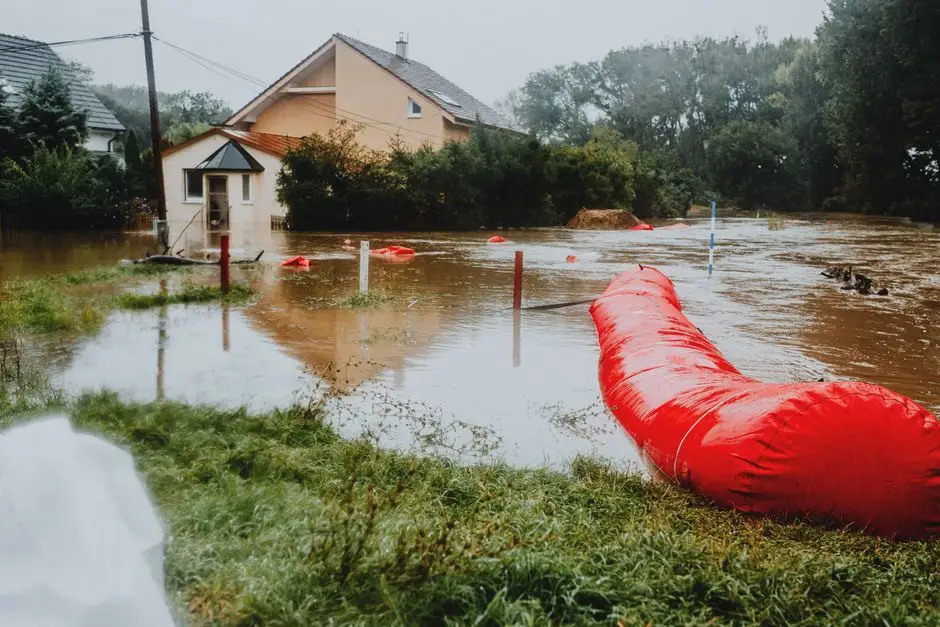
When floodwater enters a Rome property, the water source and affected materials guide the response. Our team removes water from accessible areas, separates wet contents when feasible, and checks flooring and lower wall sections. We discuss contamination concerns before work begins and use protective procedures appropriate to the water category and site conditions.

View Details
Basement Water Removal

Basement Water Removal

Basement water removal in Rome starts with identifying whether water came from a plumbing failure, drain backup, or outside entry. We pump out deeper water, vacuum residual pooling, and inspect the perimeter, stairs, and stored contents. A moisture meter helps us determine whether finished walls or flooring are holding water after the floor looks clear.

View Details
Crawl Space Water Removal

Crawl Space Water Removal

Crawl space flooding can leave water beneath a Rome home where it is difficult to see and ventilate. We assess the entry point and safe access, remove pooled water with suitable pumping equipment, and check exposed framing and insulation. The work plan accounts for clearance, electrical hazards, and the need to keep debris or contaminated materials contained.

View Details
Sewage Water Extraction

Sewage Water Extraction

A sewage backup requires controlled removal, not ordinary household cleanup. For Rome properties, we isolate affected areas, use protective equipment, and remove contaminated water and unsalvageable materials as conditions require. We clean hard surfaces with an appropriate antimicrobial cleaning solution and manage waste carefully, with attention to keeping occupants away from the work zone.

View Details
Storm and Rainwater Removal

Storm and Rainwater Removal

Heavy rain can push water into low entry points, basement windows, or utility areas around Rome properties. We remove accumulated water, check where it traveled, and identify whether rain is still entering before placing drying equipment. If the outside source has not been controlled, we explain what needs attention so extraction is not undone by continued entry.

View Details
Burst Pipe Water Extraction

Burst Pipe Water Extraction

A burst pipe can soak flooring, cabinets, and wall cavities before the water is visible beyond the room of origin. In Rome, we coordinate the extraction visit around shutting off the supply and getting safe access. We remove surface water, inspect adjoining materials, and use moisture readings to map areas that need targeted drying.

View Details
Frozen Pipe Water Damage Extraction

Frozen Pipe Water Damage Extraction

Rome's winter freeze can leave a pipe split behind a cabinet, in a basement, or along an exterior wall. Once the water is shut off, we extract pooled water and check the surrounding structure for hidden moisture. We bring air movers and commercial dehumidifiers when conditions call for them, then monitor readings rather than guessing when drying is complete.

View Details
Emergency Water Extraction in Rome
Service · #1

Emergency Water Extraction in Rome


Water Extraction in Rome is available when a sudden leak or flood puts a home or business at risk. New York Water Extraction Pros responds across neighborhoods such as Delta Lake and East Rome, where older homes, shops, and mixed-use buildings can conceal water behind finished walls. We locate the source, remove water promptly, and plan drying around the affected materials, helping limit additional damage during Rome's cold, wet seasons.

Rapid Arrival And Assessment

Our team begins with a safety check, identifies the water source, and maps affected rooms before equipment is placed. In central Rome, older commercial properties may have multiple floors and narrow access, so we organize hoses and extraction tools to reduce disruption. This emergency water removal approach gives owners a clear first step while preventing avoidable spread into adjoining spaces.

Extraction Matched To Materials

Standing water is removed with pumps or truck-mounted extraction equipment selected for the depth and location. Technicians check carpets, hardwood, tile, and wall edges separately; Rome's historic housing stock can include layered flooring that holds moisture below the visible surface. We record affected areas and explain which materials need additional drying rather than treating every room alike.

Drying And Clear Updates

After extraction, air movers and dehumidifiers help draw residual moisture from structural materials. We take moisture readings throughout the job and adjust equipment as conditions change, including in cool basements during winter. Property owners receive practical updates about progress, access, and next steps, making it easier to coordinate repairs for homes near Fort Stanwix or businesses downtown.

  • Assess hazards, water source, and affected rooms before extraction begins.
  • Remove pooled water using equipment suited to the affected surfaces.
  • Position air movers and dehumidifiers for targeted structural drying.
  • Document moisture readings and provide clear progress updates to owners.

24/7 Water Removal in Rome


Water Extraction in Rome can start at any hour when a plumbing failure or flooding threatens your property. New York Water Extraction Pros serves residents near Fort Stanwix, the downtown business district, and surrounding neighborhoods, including overnight calls during freezing Oneida County winters. Our crews assess the situation, remove accessible water, and set a drying plan suited to the building, helping owners act quickly without waiting for regular business hours.

  1. 01

    Calls Answered Around The Clock

    A night-time ceiling leak or a weekend appliance failure does not need to wait until morning. Our dispatch gathers details about the affected rooms, water depth, and access so the response team arrives prepared. For urgent water extraction in Rome, we prioritize safe entry and fast removal, then explain what can be handled immediately and what requires follow-up inspection.

  2. 02

    Equipment For Local Properties

    Rome properties range from compact downtown apartments to larger homes around Bellamy Harbor, with different layouts and flooring. We bring submersible pumps, extraction tools, and drying equipment appropriate to the job, protecting furnishings where feasible. Technicians pay close attention to finished basements and enclosed utility spaces, common areas where water can remain unnoticed after a late-night incident.

  3. 03

    Consistent Progress Monitoring

    Around-the-clock availability includes more than an initial visit: drying needs to be checked after water is removed. We measure moisture in flooring and lower walls, then adjust airflow and dehumidification as readings change. During Rome's humid summers and cold winter spells, conditions affect drying speed, so we share realistic updates and coordinate access for each monitoring visit.

  • Take emergency calls and collect property details at any hour.
  • Dispatch extraction equipment suited to the reported water conditions.
  • Remove water from floors, utility rooms, and finished basements.
  • Schedule moisture checks and explain the next drying steps.
24/7 Water Removal in Rome

02 / 10

Service

5+ YEARS · ROME

Standing Water Removal in Rome

Water Extraction in Rome helps clear standing water before it seeps farther into floors, walls, and stored belongings. From homes near Griffiss Park to older properties in the city center, our technicians assess the depth and identify safe routes for pumping and removal. Spring thaw and heavy rain can overwhelm low-lying areas, so we work methodically to reduce water levels and protect the building's remaining dry spaces.

Measure Water Before Pumping

We evaluate water depth, its likely source, and nearby electrical hazards before setting up pumps. In Rome's older homes, basement steps and tight doorways can complicate access, so the crew chooses equipment that fits the route. This standing water removal service starts with a focused plan, helping avoid unnecessary disturbance to stored items or unaffected rooms.

Clear Basements And Ground Floors

Once the area is safe, technicians remove water from low points, floor depressions, and beneath accessible furnishings. Properties near local waterways may experience seepage after prolonged rain, while snowmelt can collect around foundations in early spring. We monitor how quickly water returns and alert owners if continued inflow suggests a drainage or plumbing issue that needs separate attention.

Protect Surfaces After Removal

Pumping is only the first step when water has contacted porous materials. We extract residual moisture from carpets and hard flooring, then place drying equipment where readings show dampness. On Rome's mix of older wood floors and modern concrete slabs, methods differ by material; careful monitoring helps reduce warping, odor, and lingering moisture in hidden edges.

  • Check water depth, electrical hazards, and safe equipment access.
  • Pump pooled water from basements, low spots, and ground floors.
  • Extract residual moisture from accessible flooring and furnishings.
  • Record moisture conditions and identify signs of continued water entry.
Flood Water Extraction in Rome

Flood Water Extraction in Rome


Water Extraction in Rome is a practical first response when flooding reaches a home, storefront, or community property. Heavy rain, rapid snowmelt, and drainage backups can affect properties across the city, including lower areas near the Erie Canal corridor. New York Water Extraction Pros removes floodwater, checks the extent of saturation, and organizes drying by room so owners can understand the work needed after a disruptive weather event.

Assess floodwater conditions and establish protective work procedures.

Promise

“Floodwater can carry debris and contaminants, so our crew first assesses the water category and establishes appropriate protective measures. We identify entry points, affected levels, and safe equipment placement befo…”

— Rome customer
Respond To Flood Conditions +

Floodwater can carry debris and contaminants, so our crew first assesses the water category and establishes appropriate protective measures. We identify entry points, affected levels, and safe equipment placement before extraction. When flood water extraction in Rome involves basements or ground floors, we work carefully around utilities and stored belongings, separating salvageable contents from materials that need special handling.

Remove Water Across Rooms +

Pumps clear deep water, while portable extractors address carpets, rugs, and shallow pooling. In Rome's varied building stock, a single flood may affect a finished basement, an older storefront, and adjacent storage areas differently. We use a room-by-room approach, noting the surface types and water depth so drying equipment can be arranged where it will be most effective.

Coordinate The Drying Phase +

After removal, technicians measure moisture in walls, flooring, and other accessible materials. Cold outdoor temperatures and damp spring weather around Rome can slow drying, particularly in below-grade rooms with limited airflow. We track readings, adjust dehumidification, and communicate the findings so owners can plan repairs and coordinate any additional cleanup required after floodwater exposure.

  • Assess floodwater conditions and establish protective work procedures.
  • Pump deep water and extract shallow pooling from affected rooms.
  • Separate affected contents and document room-by-room water impact.
  • Monitor structural moisture and adjust drying equipment as needed.
Basement Water Removal in Rome
Service · #5

Basement Water Removal in Rome


Water Extraction in Rome addresses basement flooding in properties ranging from historic downtown houses to homes near the Griffiss area. Basements can take on water through foundation seepage, failed sump systems, or burst plumbing, especially during thaw cycles and prolonged rain. Our technicians inspect the space, remove pooled water, and check lower walls and flooring for moisture, helping owners regain access while limiting further damage to finished or utility areas.

Inspect Below Grade Spaces

Before pumping begins, we check stairs, electrical panels, furnace areas, and the likely path of incoming water. Many Rome homes have older stone or masonry foundations, where seepage may appear at joints or around small windows. This basement water removal assessment helps determine where equipment can operate safely and whether water continues entering during the service visit.

Pump And Extract Efficiently

For deeper pooling, submersible pumps lower the water level; extractors then address remaining moisture on floors and around obstacles. We protect accessible stored belongings and work around laundry equipment, boilers, and shelving. In finished basements, technicians pay particular attention to carpet edges and wall bases, since water can travel behind trim even when the center of a room looks dry.

Dry Foundation Adjacent Materials

Once standing water is removed, we position dehumidifiers and air movers to support drying across the basement. Stone, concrete, and framed partitions respond differently, so moisture checks guide equipment placement instead of guesswork. Rome's freeze-thaw weather can leave basement spaces cool and damp; we explain readings and recommend follow-up checks where materials remain above target moisture levels.

  • Inspect foundation, utilities, stairs, and incoming water paths.
  • Pump basement water and extract remaining moisture from floor surfaces.
  • Move drying equipment around utilities, walls, and stored contents.
  • Measure lower-wall and flooring moisture throughout the drying process.

Crawl Space Water Removal in Rome


Water Extraction in Rome can help when water collects beneath a house and remains hidden from view. Older residences around East Rome and the city's outer neighborhoods may have low-clearance crawl spaces where poor drainage or spring snowmelt leaves damp soil and pooled water. Our team evaluates access and safety, removes standing water where possible, and checks the space for persistent moisture that could affect nearby framing and indoor air conditions.

  1. 01

    Assess Restricted Access Safely

    Crawl spaces require a careful entry plan because clearance, wiring, debris, and moisture can create hazards. We inspect the access opening and determine whether equipment can be placed without disturbing building components. For crawl space water removal in Rome, technicians consider the home's age and foundation style, then explain any access limits before beginning work beneath the structure.

  2. 02

    Remove Pools And Trapped Moisture

    Portable pumps and wet extraction equipment can remove accessible pools from low sections of the crawl space. The crew checks beneath plumbing runs and near foundation walls, where water may settle after rain or seasonal thaw. If water continues to enter, we document the location and inform the owner so drainage or plumbing concerns can be addressed alongside extraction.

  3. 03

    Dry Structural Areas Carefully

    After pooling is cleared, we assess exposed framing and the ground surface for dampness, then place appropriate drying equipment when access allows. Rome's humid summers and wet spring periods can keep enclosed spaces moist longer than expected. Technicians track conditions and explain whether additional monitoring is advisable, especially where insulation, wood members, or stored materials show signs of prolonged exposure.

  • Evaluate crawl-space access, clearance, wiring, and visible safety concerns.
  • Extract accessible pooled water from low areas beneath the home.
  • Check framing, foundation edges, and plumbing routes for dampness.
  • Document conditions and recommend monitoring for persistent moisture.
Crawl Space Water Removal in Rome

06 / 10

Service

5+ YEARS · ROME

Sewage Water Extraction in Rome

Water Extraction in Rome includes controlled response when a sewer backup contaminates a basement, bathroom, or commercial space. Older plumbing and heavy rainfall can contribute to backups in established parts of the city, including downtown properties with below-grade rooms. New York Water Extraction Pros isolates affected areas, removes contaminated water using protective procedures, and explains the cleanup steps needed to reduce contact risks before normal use resumes.

Contain Contaminated Areas

Sewage incidents require careful separation from clean areas and protective equipment for everyone entering the space. Our technicians identify the affected zone, restrict access, and assess whether water has reached porous furnishings or adjoining rooms. For sewage cleanup in Rome, we first consider the source and extent of contamination, then set a controlled route for removing water and equipment.

Extract Wastewater With Care

Pumps and dedicated extraction tools remove contaminated water while reducing splashing and cross-contamination. In a downtown Rome basement or a home near Bellamy Harbor, layouts may include shared utility spaces and narrow access points; we protect unaffected areas during transport. Contaminated materials are handled according to their condition, and owners receive clear guidance on items that cannot be safely retained.

Prepare For Sanitizing Work

Water removal is followed by a review of impacted surfaces and materials that require cleaning or disinfection. We document affected areas and coordinate the next steps with property owners, recognizing that sewage exposure may require specialized remediation beyond extraction. In cool Rome basements, thorough drying also matters after cleanup, since residual dampness can prolong odor and material deterioration.

  • Isolate contaminated rooms and establish a protected work route.
  • Extract sewage water using dedicated tools and controlled handling.
  • Identify affected porous materials and document contamination boundaries.
  • Explain required cleaning, disinfection, and drying follow-up steps.
Storm and Rainwater Removal in Rome

Storm and Rainwater Removal in Rome


Water Extraction in Rome helps clear rainwater that enters through doors, foundation openings, or overloaded drainage systems. Sudden summer downpours and spring snowmelt can affect homes near the Erie Canal corridor as well as commercial properties downtown. Our technicians locate the water's path, remove pooling from affected areas, and assess damp flooring and lower walls so property owners can respond before moisture spreads into adjoining rooms.

Inspect entry points, floor drains, and visible stormwater pathways.

Promise

“We inspect door thresholds, window wells, foundation seams, and floor drains to understand how stormwater reached the property. A rainwater removal assessment in Rome also considers slope and nearby drainage, especial…”

— Rome customer
Trace Rainwater Entry Points +

We inspect door thresholds, window wells, foundation seams, and floor drains to understand how stormwater reached the property. A rainwater removal assessment in Rome also considers slope and nearby drainage, especially after extended rain or thaw. Identifying the entry route helps us distinguish a one-time spill from continuing inflow and place extraction equipment where it will make the greatest difference.

Clear Water From Interior Areas +

Technicians pump or extract water from basements, garages, and ground-floor spaces, taking care around electrical systems and stored items. Rome's older homes may have uneven floors that channel rainwater toward hidden low spots. We check these areas rather than relying only on visible puddles, then remove residual water from accessible carpets, tile, and concrete surfaces.

Check Moisture After Storms +

Once water is cleared, moisture readings help determine whether walls, trim, and flooring need continued drying. Humid summer weather can slow evaporation, while cold conditions after a spring storm may leave basements cool and damp. We use the readings to position air movers and dehumidifiers, then share practical observations about areas that warrant a follow-up inspection.

  • Inspect entry points, floor drains, and visible stormwater pathways.
  • Extract rainwater from basements, garages, and ground-level rooms.
  • Check flooring and lower walls for moisture after water removal.
  • Position drying equipment according to room readings and conditions.
Burst Pipe Water Extraction in Rome
Service · #9

Burst Pipe Water Extraction in Rome


Water Extraction in Rome is essential after a burst pipe releases water into living or work spaces. Frozen lines in exterior walls, unheated basements, and utility areas can fail during Oneida County cold snaps, affecting older homes near Fort Stanwix and newer properties alike. Our team helps remove water after the leak is stopped, checks affected materials, and organizes drying to address hidden moisture beyond the visible puddle.

Limit Spread After A Break

Once the plumbing source is shut off, technicians assess where water traveled through ceilings, walls, and floor assemblies. Burst pipe water removal in Rome often involves more than the room where the break occurred; gravity may carry water into lower floors or finished basements. We document affected areas and prioritize extraction where saturation could spread into adjoining rooms.

Extract Water From Surfaces

Portable extractors remove water from carpets, flooring, and accessible structural edges, while pumps handle deeper accumulation. We work around furnishings and appliances where possible and check wall bases for water that has slipped behind trim. In Rome's older housing, layered floors and plaster walls can retain moisture, so visual inspection is paired with targeted moisture readings.

Dry And Track Hidden Areas

After extraction, air movement and dehumidification help dry affected building materials. Technicians monitor ceilings and lower walls as well as the original leak location, adjusting equipment to match each area's readings. During winter, cold exterior walls can dry slowly, so we give owners clear updates and explain which locations need continued monitoring before repairs conceal the affected surfaces.

  • Map water migration from the broken pipe into adjacent rooms.
  • Extract water from flooring, carpets, and accessible wall edges.
  • Measure moisture in ceilings, lower walls, and affected floor assemblies.
  • Set drying equipment and track readings during follow-up visits.

Frozen Pipe Water Damage Extraction in Rome


Water Extraction in Rome supports property owners when freezing temperatures cause a pipe to split and water to escape. Rome's long winters place vulnerable lines in exterior walls, crawl spaces, garages, and unheated basements at risk. New York Water Extraction Pros removes water after the source is controlled, checks the affected rooms for concealed saturation, and tailors drying to the building materials and cold-weather conditions.

  1. 01

    Find The Full Damage Path

    Water from a thawed pipe may spread far beyond the visible break, following joists or wall cavities into other rooms. We inspect the affected route and look for wet insulation, ceiling materials, and flooring. For frozen pipe water damage in Rome, identifying the full path early helps avoid leaving damp areas behind when attention is focused on the plumbing location.

  2. 02

    Remove Water In Cold Conditions

    Our crew extracts pooled water from floors and lower surfaces, using equipment appropriate to the room and material. Cold basements and garages around Rome can slow evaporation, so we prioritize water removal before setting up a controlled drying arrangement. We protect accessible belongings and note areas where frozen or brittle finishes need extra care during the work.

  3. 03

    Monitor Materials As They Dry

    Moisture checks guide drying across exterior walls, floors, and ceilings affected by the pipe failure. Dehumidification and airflow are adjusted to the space, with readings recorded during follow-up. Because winter conditions can leave building cavities cool, we explain what remains damp and coordinate access for additional checks, helping owners make informed decisions before replacing insulation or closing walls.

  • Trace water migration from the frozen pipe through affected assemblies.
  • Extract pooled water from floors, basements, and utility spaces.
  • Check exterior walls, ceilings, and insulation for retained moisture.
  • Record drying readings and identify locations needing continued monitoring.
Frozen Pipe Water Damage Extraction in Rome

10 / 10

Service

Residential Water Extraction

Residential Water Extraction for Rome Homes

Rome homes include older houses, detached residences, multi-unit properties, and newer construction, each with different basement and utility-room layouts. When a pipe breaks or rainwater enters, your first concern is usually protecting the living space and keeping the family away from unsafe water. Our basement water removal begins with identifying the source and clearing standing water, then checking nearby flooring and walls. We work around furniture, stored belongings, and household access as conditions permit. If the water is contaminated or near electrical equipment, keep people out and tell us before we arrive. We explain which rooms are affected, what equipment is running, and what readings we will recheck so you know how the work is progressing.

  • Basement water extraction — For a Rome basement with standing water, we pump deeper accumulations and extract remaining water from floors and corners. We check lower wall materials and the stair landing, where water can collect unnoticed. Tell us whether the basement is finished and whether the water came from plumbing, rain, or a drain.
  • Frozen pipe cleanup — When a pipe freezes and leaks in a Rome home, water may reach a utility room, wall cavity, or the floor below. Once the supply is shut off safely, we remove pooled water and measure nearby materials. We coordinate the drying plan around the plumber's repair so the leak does not continue.
  • Crawl space water removal — Water beneath a Rome home can remain out of sight while affecting insulation, framing, or stored materials. We assess safe access, remove pooled water with suitable equipment, and inspect reachable structural surfaces. You receive a practical explanation of what is wet and which areas need continued drying.
  • Sewage backup cleanup — A sewage backup in a Rome residence requires controlled cleanup and separation from everyday living areas. We keep household members and pets away from the affected space, remove contaminated water, and clean suitable hard surfaces. We explain which porous items need careful assessment before the room returns to normal use.
Commercial Water Extraction

Commercial Water Extraction in Rome

Rome's commercial properties include storefronts, offices, service businesses, and facilities with back entrances or shared building systems. A leak can interrupt staff access, customer traffic, stored inventory, or a scheduled opening, so we coordinate the extraction plan with the person responsible for the site. If you are arranging commercial water extraction after a leak in Rome, tell us which areas must remain accessible and whether the source has been shut off. We remove standing water, inspect nearby materials, and place drying equipment with safe routes in mind. For a larger loss, we can discuss phased work so active operations and restoration needs are managed together.

Retail storefrontsProfessional officesRestaurants and cafesProperty managementLight industrial facilities

Common Rome Water Damage Problems

Rome's cold winter weather can freeze vulnerable plumbing, while spring rain and summer storms bring different water-entry concerns. Homes and commercial buildings range in age and layout, so a leak may travel through a finished basement, utility room, or concealed wall cavity before becoming obvious. Our 24/7 water removal response starts by separating the water source from the material damage. We check what is wet, what can be safely extracted, and whether the event is still active before setting equipment.

Frozen pipes leaking into basements and utility rooms

During cold snaps, pipes in unheated spaces or near exterior walls can freeze and split. Water may not appear until the pipe thaws, leaving a sudden leak in a basement or utility room. The hidden break can wet framing and insulation beyond the visible floor.

Rainwater entering low basement openings after heavy storms

Strong rain can expose weak points at basement windows, doors, or below-grade openings. Water may collect quickly on a lower floor, particularly when the entry point remains active. Stored belongings and finished surfaces can hide how far the water has traveled.

Supply-line failures soaking floors and finished walls

A failed hose, fitting, or pipe can release water into kitchens, bathrooms, and laundry areas. Water moves through gaps at flooring edges and may affect the room below. A small visible puddle can therefore represent a larger concealed wet area.

Drain or sewage backups affecting lower-level rooms

A backed-up drain can send contaminated water onto basement floors or into utility areas. The water source changes the safety requirements and the materials that can be retained. Odor or visible debris may appear after the initial flow has stopped.

When to Call for Water Extraction

Call for Water Extraction in Rome when water is standing, spreading, or soaking building materials, even if the leak has stopped. A wet basement after a storm, a burst pipe, or a drain backup can leave moisture below flooring and behind walls. If you are wondering when to call a water removal company after a basement leak, use the visible water and the source as your guide: active entry, contaminated water, or wet electrical areas need urgent attention. Keep people away from unsafe rooms.

  • Water pooling across a basement floor

    Pooling means water has reached a low point and may be spreading beneath stored items or finished flooring. If the source is still active, shut off the relevant supply only if it is safe. Do not enter water near electrical panels; call for emergency extraction and describe the depth.

  • A ceiling stain grows after a pipe leak

    A spreading stain can indicate water moving through a ceiling cavity or along framing. The source may be above the visible mark, so surface drying alone will not solve the problem. Arrange extraction and inspection promptly, especially if the ceiling sags or water is actively dripping.

  • Flooring feels soft or raised underfoot

    Softness, buckling, or lifted edges can mean water has entered flooring layers or the subfloor. The damage can extend beyond the visible wet spot. Limit foot traffic and have moisture checked before placing rugs or furniture back over the area.

  • A musty smell follows a basement leak

    A persistent musty odor after visible water is removed can point to damp materials that have not dried. Check lower walls, stored items, and floor edges, but do not cover the area with fresh paint or flooring. Moisture readings help locate what still needs attention.

  • Sewage or drain water enters the room

    Water from a sewage backup is contaminated and should not be handled as ordinary water. Keep children and pets away, avoid direct contact, and do not run a household vacuum over it. Call for controlled sewage water extraction and tell us what fixtures backed up.

Rome Landmarks for Local Navigation

Rome's street layout is easier to describe with familiar reference points. Fort Stanwix National Monument and the Erie Canal Village area help orient visitors to the city's historic setting, while the Capitol Theatre provides a central downtown reference. We use landmarks only to clarify directions; the service address and access notes determine the actual route. For a call, give us a street address, cross street, and a safe place to park or unload.

Fort Stanwix National Monument

The monument is a recognized historic site in central Rome and offers a familiar reference when describing nearby downtown streets. It can help callers clarify which side of the central area their property is on.

Capitol Theatre

The Capitol Theatre is a downtown Rome venue and a useful orientation point for central streets. Naming it can help distinguish a location near the city center when a caller is giving directions.

Erie Canal Village

Erie Canal Village is a Rome-area historic attraction associated with the canal's local history. It provides a recognizable reference for describing the broader area without implying a service need at the attraction.

Coverage across Rome & Oneida County

1344113440133081344213449

Plus surrounding Oneida County neighborhoods, with same-day routing on most appointments.

Rome Water Extraction by Season

As November brings colder nights to Rome, frozen plumbing becomes the immediate seasonal concern. Keep an eye on pipes in unheated spaces and know where the main shutoff is before a freeze. Winter calls often involve a leak discovered after water has spread behind a wall or across a basement floor. Through spring, snowmelt and rain can test lower-level entry points; summer storms and fall leaf buildup bring separate drainage concerns. For help after a frozen pipe failure in Rome, call as soon as the source is controlled and water is safe to approach.

Spring

Rain and seasonal thaw can leave lower-level floors wet when water enters through basement openings or a plumbing connection. Check for new damp marks after storms and look behind stored items. A small puddle can spread beneath flooring before the room appears broadly affected.

Tip: Keep basement access clear and move valuables off the floor before wet weather. If water appears, note where it entered and whether it is still rising; that information helps us plan extraction.

Summer

Summer storms can bring sudden rain, while warm indoor conditions can make wet materials harder to ignore because odors develop quickly. Leaks from appliances or plumbing still occur year-round. Prompt extraction helps limit the time water remains against flooring and lower walls.

Tip: After a storm, check low areas and utility rooms without entering water near electrical equipment. Call if you find standing water, and avoid using household fans on contaminated water.

Fall

Cooler temperatures arrive and outdoor drainage systems may be carrying rain and leaves. Water entering at a basement opening can wet stored contents and finished materials. As nights get colder, exposed plumbing in unheated areas deserves closer attention.

Tip: Clear safe-to-reach drainage paths and identify pipes near cold exterior spaces. If a leak starts, shut off the supply when safe and call for extraction before water reaches more rooms.

Winter

Freezing conditions can cause pipe failures in vulnerable spaces, with water appearing after a line thaws. A leak may saturate insulation or wall cavities before it reaches the floor. Snow and ice can also complicate safe access to entrances and equipment staging.

Tip: Know the shutoff location and keep heat consistent in rooms with plumbing. If a pipe breaks, stay clear of electrical hazards, report the affected rooms, and arrange water removal promptly.

Water Extraction in Rome FAQs

Real answers from our team for the questions we hear most often before a job starts.

How much does water extraction cost in Rome?
Small clean-water jobs often cost about $250 to $700, while larger basement losses can range from roughly $1,000 to $3,500 or more. Typical 2026 pricing depends on water depth, contamination, affected square footage, and drying equipment. Sewage cleanup or hidden moisture can add labor. We explain the immediate work and provide upfront pricing before proceeding.
How quickly can water be removed from a Rome basement?
A crew can often begin extraction within hours of a confirmed emergency call, subject to the active route and conditions. Removing water from a typical basement may take 2 to 6 hours, depending on depth, size, and access. We use pumps or extraction equipment suited to the site, then check whether floors and lower walls still hold moisture.
How long does water damage drying take in Rome?
Structural drying commonly takes 3 to 5 days, although thick materials, concealed moisture, and cold conditions can extend the process. We measure affected materials and adjust air movers or a commercial dehumidifier based on readings. The visible floor can dry before a wall cavity or subfloor does, so equipment removal follows measured progress.
Can I stay home during water extraction in Rome?
You can often remain in unaffected parts of your home if the water source is controlled and the work area is safe. Sewage water, electrical hazards, or widespread damage can make separation necessary. We establish a clear work zone, keep paths open where possible, and explain which rooms you should avoid during extraction and cleanup.
What should I do after a frozen pipe leaks in Rome?
Shut off the water supply if you can reach the valve safely, stay clear of wet electrical areas, and call for extraction. Do not start a household vacuum in standing water. Tell us where the pipe failed, how long water flowed, and which rooms are affected. We remove pooled water and check nearby materials for hidden moisture.

Call for Water Extraction in Rome

If water is spreading through your Rome home or business, call New York Water Extraction Pros at +18668968166. Our 24/7 emergency service can help with pipe leaks, basement flooding, stormwater, and sewage backups. Tell us what happened, where water is collecting, and whether the source is still active; we will guide the immediate next step and plan the extraction response.

Call Our Team Send a Message

Contact Our Team

Call New York Water Extraction Pros at +1 866-896-8166 any time, day or night, for help with flooding, leaks, or standing water. Tell us your community, the affected rooms, and whether the water is still coming in. We will connect you with an independent company serving your area and help move the response forward.

Or call us right now at +18668968166 — we answer.

New York Water Extraction Pros


  • Phone

    +18668968166
  • Address

    New York

  • Hours

    Mon–Fri: 7AM – 7PM
    Sat: 8AM – 4PM
    Sun: Emergency Only
    24/7 Emergency Available

Call +18668968166 Get Quote
Call Quote