Residential Water Extraction for New York Homes
Residential water extraction in New York has to work around people living in the affected space, neighbors sharing walls, and building rules that govern access. Our calls include apartment supply-line leaks, bathroom overflows, stormwater in lower-level rooms, and basement flooding in brownstones. We remove water from accessible floors and inspect adjoining materials, then set drying equipment where it will not block daily movement. For homes in high-rise properties, we coordinate with building staff on service entrances and elevator use. For a house or brownstone, we plan around stairs, stored belongings, and limited room to stage equipment. We explain what is wet, what has been extracted, and what readings need follow-up, so your next repair step is clear.
- Apartment leak water removal — A leak in a bathroom, kitchen, or appliance line can spread into the unit below. We remove pooled water, check nearby flooring and wall edges, and coordinate with building staff when another apartment may be affected. In New York, confirming the source and access route helps limit disruption while extraction proceeds.
- Brownstone basement extraction — Basement flooding can reach storage, laundry areas, and utility spaces in brownstones. We pump or vacuum standing water based on depth, then check low points and surrounding materials for retained moisture. Our New York crew keeps the work path clear and identifies which belongings should be moved before drying equipment is placed.
- Sewage backup cleanup — A sewage backup requires controlled access and separation from clean household areas. We remove contaminated water, protect the route through the home, and clean affected surfaces using appropriate procedures. In New York apartments, we also coordinate with the building contact when shared drains or connected units are involved.
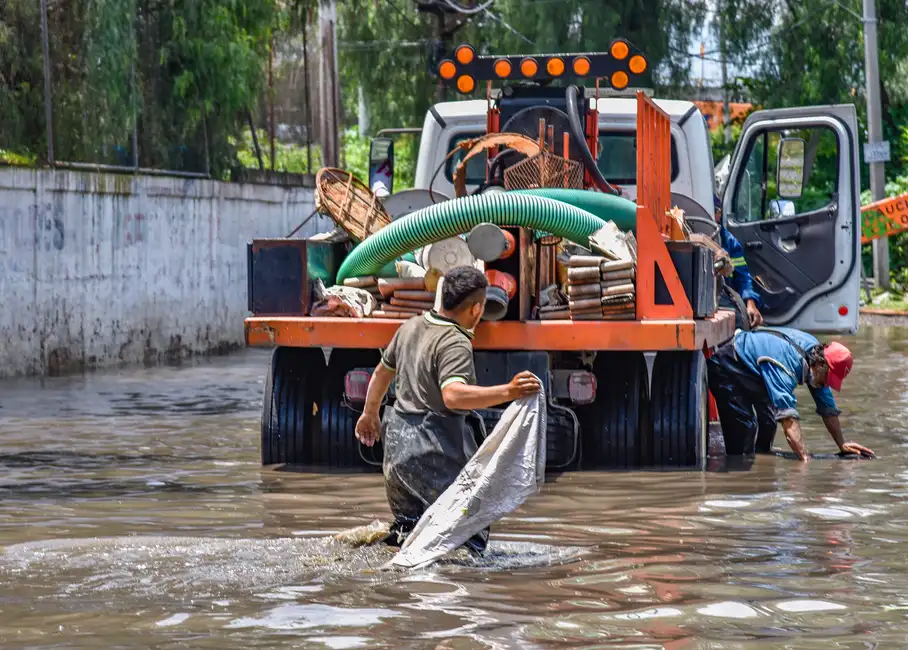
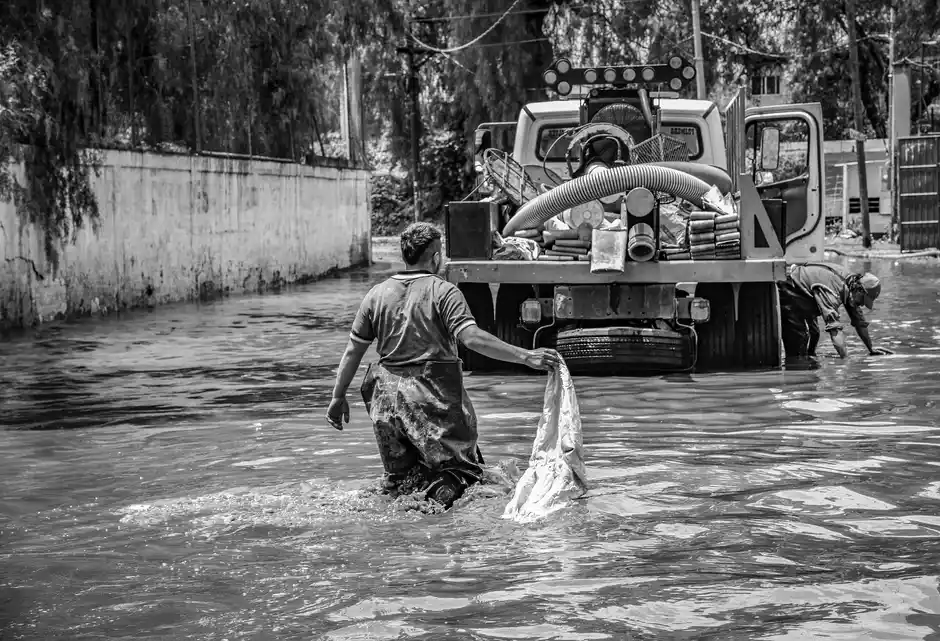
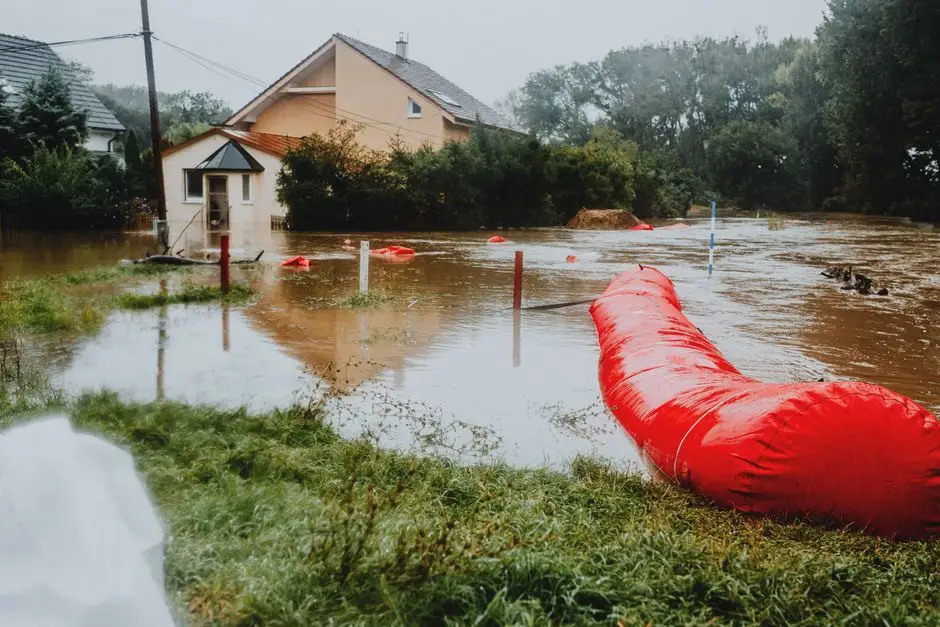
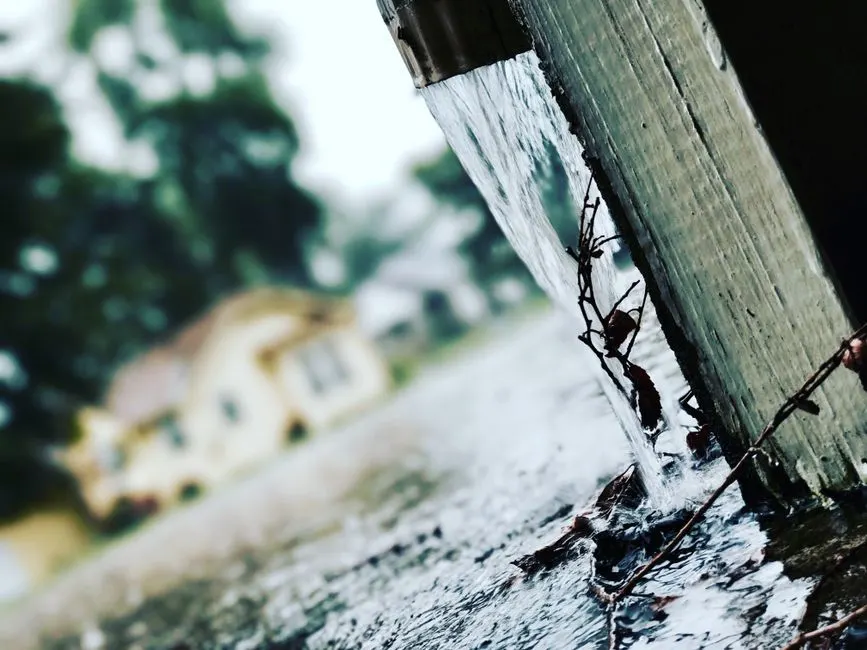
- Stormwater entry response — Rainwater entering a ground-floor or basement room can soak flooring and stored items quickly. We remove standing water, check entry-adjacent surfaces, and evaluate how far moisture has traveled. In New York, older drainage systems and intense rainfall make a careful lower-level inspection important after water is gone.