

Logo
Get Estimate

Water Extraction in Buffalo for Flooded Properties

Water Extraction in Buffalo gets standing water out and starts the drying process before wet floors, walls, and stored belongings take on more damage. New York Water Extraction Pros responds across Buffalo, from Elmwood Village and Allentown to North Buffalo, with water extraction services in Buffalo for homes and commercial spaces. Lake-effect snow, freeze-thaw cycles, and older plumbing call for practical equipment, careful moisture checks, and a clear plan for what happens next.

Call for Help Request Service
Emergency service Service area ZIPs Direct phone line
Licensed Licensed & Bonded
Fully Insured Insured & Bonded
24/7 Emergency Same-Day Response
Warranty Backed Workmanship Guaranteed in Buffalo
Buffalo

Water Extraction in Buffalo, Done Right


Water Extraction in Buffalo is a property recovery service that removes unwanted water and helps dry building materials after leaks, flooding, or water discharge. We serve Buffalo homes and businesses facing basement flooding, burst pipe leaks, stormwater intrusion, and sewage backups. Older housing stock and aging plumbing make prompt leak response especially important when winter temperatures bring freeze-thaw cycles. Our Buffalo water extraction company works in neighborhoods including Elmwood Village, Allentown, and South Buffalo, and serves ZIP codes 14201, 14202, and 14213. We start by identifying the water source and checking which areas are affected, then remove accessible water with pumps and extraction equipment. After extraction, we assess wet materials and set drying equipment according to actual moisture readings. Our work is guided by the ANSI/IICRC S500 Standard for Professional Water Damage Restoration. You get a clear explanation of the immediate steps, the equipment required, and what should be checked before repairs begin. For flood cleanup in Buffalo, New York, the first priority is stopping the source and removing water safely.

  • Locally licensed and insured in Buffalo
  • Same-day diagnostics and written estimates
  • Real workmanship warranty in writing
  • Background-checked, in-house technicians

Buffalo Water Extraction Services

Buffalo water emergencies range from a few inches of basement water to a pipe failure affecting several rooms. We handle emergency calls throughout the city, including older homes with tight stairways and commercial spaces that need a controlled work area. If you are searching for basement water removal and drying in Buffalo, New York, we first identify the water source, then choose equipment that fits the depth, access, and material conditions. We remove water, check for hidden moisture, and explain the next drying steps without slowing down urgent extraction.

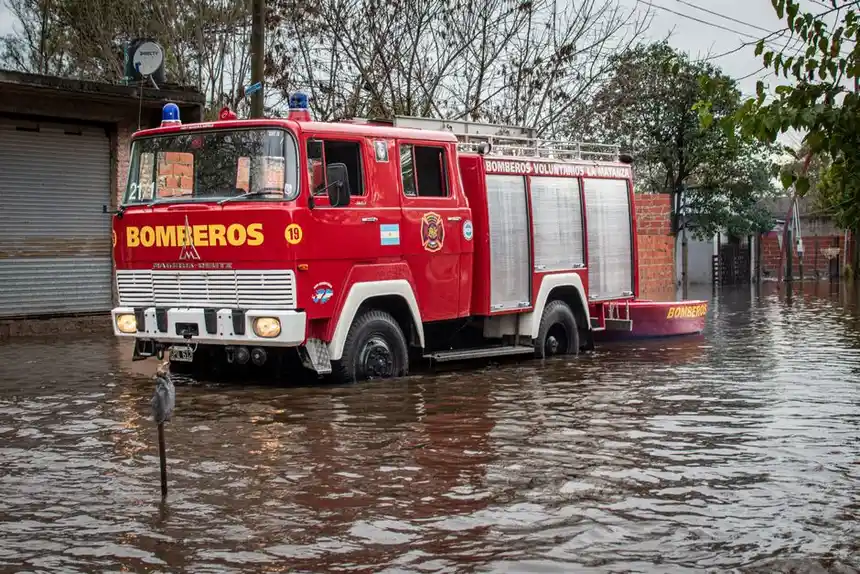
Emergency Water Extraction

Emergency Water Extraction

When water is spreading through a home in Allentown or a business near downtown Buffalo, we focus first on source control and safe access. Our crew removes standing water, protects unaffected areas, and checks floors and lower walls for moisture. We adapt equipment to narrow entries and basement stairs, then explain whether further drying is needed.

View Details
24/7 Water Removal

24/7 Water Removal

A burst pipe at night or a basement leak before work cannot wait for regular business hours. Our 24/7 Water Removal response serves Buffalo properties with extraction pumps and wet/dry vacuums suited to the water volume and access. We prioritize getting water off floors and identifying the areas that need follow-up moisture checks.

View Details
Standing Water Removal

Standing Water Removal

Standing water in a Buffalo basement can spread beneath stored items and into porous flooring. We use a submersible pump for deeper water and extraction tools for remaining surface moisture, while keeping a safe route through the work area. Once the visible water is removed, we check adjacent materials rather than assuming the wet area ends at the puddle.

View Details
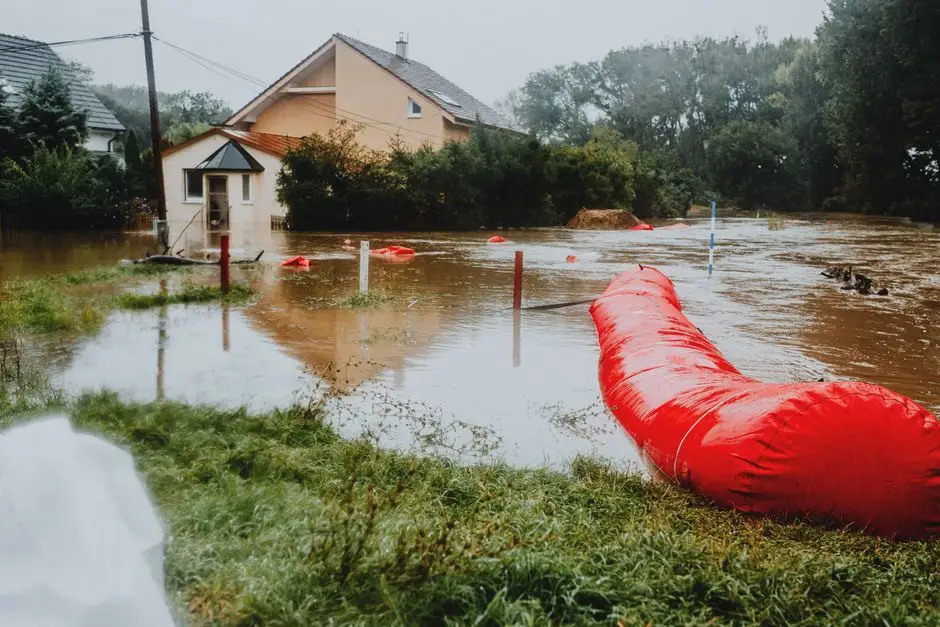
Flood Water Extraction

Flood Water Extraction

Heavy rain and rapid snowmelt can push water into lower levels across Buffalo. We assess the water source and contamination risk before choosing extraction methods, then remove floodwater and separate affected belongings where practical. Our team checks the perimeter and lower wall sections for wet building materials so drying does not stop at the visible floor.

View Details
Basement Water Removal

Basement Water Removal

Basement water removal in Buffalo often starts with a sump issue, seepage, or a failed supply line. We clear standing water with pumps and extraction equipment, then inspect finished flooring, baseboards, and accessible wall edges. In neighborhoods with older housing stock, careful access and moisture checks help reveal whether water has traveled beyond the obvious wet spot.

View Details
Crawl Space Water Removal

Crawl Space Water Removal

Crawl space flooding can leave insulation, joists, and stored materials damp even after surface water drains away. We plan entry and equipment around the space, remove accessible water, and check moisture at structural materials. Buffalo's cold season makes prompt attention useful when exposed plumbing or a crawl space leak threatens a larger area.

View Details
Sewage Water Extraction

Sewage Water Extraction

A sewage backup needs controlled handling, not ordinary household cleanup. We isolate the affected area, use protective equipment, remove contaminated water, and clean impacted surfaces with an appropriate antimicrobial cleaning solution. Our team considers porous materials separately and follows safe work practices to limit cross-contamination through Buffalo homes and commercial properties.

View Details
Storm and Rainwater Removal

Storm and Rainwater Removal

When a Buffalo rainstorm or snowmelt event sends water into a lower level, we extract water and check how far it traveled. Our crew distinguishes incoming stormwater from plumbing leaks because the source affects cleanup decisions. We protect the route to the affected area and measure damp materials before placing drying equipment.

View Details
Burst Pipe Water Extraction

Burst Pipe Water Extraction

A burst pipe can soak floors, wall cavities, and ceilings before the leak is found. We help you prioritize stopping the water source, then extract water from affected rooms and inspect nearby materials for hidden moisture. The response is tailored to the pipe location, the amount released, and the building layout common in Buffalo's older homes.

View Details
Frozen Pipe Water Damage Extraction

Frozen Pipe Water Damage Extraction

During Buffalo's cold winters, a frozen pipe failure can release water when the line thaws. We remove water promptly, check adjacent rooms and lower levels, and assess wall and floor moisture. Once the plumbing source is controlled, we set a drying plan based on readings rather than guessing from the visible stain.

View Details
Emergency Water Extraction in Buffalo
Service · #1

Emergency Water Extraction in Buffalo


Water Extraction in Buffalo needs a fast, organized response when a supply line breaks or a sudden thaw sends water across the floor. New York Water Extraction Pros serves homes and businesses across Elmwood Village, North Buffalo, and the West Side, where older properties may have plaster walls and hardwood beneath carpeting. We locate the source, remove water, and begin drying promptly to limit damage during Buffalo's cold, wet seasons.

Rapid Arrival And Assessment

Our technicians assess the affected rooms, identify hazards, and determine whether water is clean or contaminated before selecting extraction equipment. For urgent incidents, our emergency water removal in Buffalo approach prioritizes safe access and immediate pumping. We document visible damage and explain the next steps, helping property owners in neighborhoods such as Allentown make informed decisions while water is still present.

Protecting Older Buffalo Interiors

Buffalo's Victorian homes and early twentieth-century duplexes can conceal water behind baseboards, under wood floors, and inside plaster assemblies. We check adjoining rooms as well as the obvious wet area, then position extraction and drying equipment to suit the building. Careful monitoring helps reduce avoidable disruption to trim, flooring, and furnishings while addressing moisture that ordinary cleanup may miss.

Clear Updates Throughout Response

During an emergency, owners need practical information about what is happening and what comes next. We describe the work area, equipment placement, and moisture readings in straightforward terms, then adjust the plan as conditions change. Whether the call comes from a Main Street storefront or a family home near Delaware Park, our team keeps access and safety considerations visible throughout the response.

  • Extracts water from carpet, hardwood, tile, and accessible subfloors
  • Maps affected rooms and records initial moisture readings
  • Places warning signs around hoses and active extraction equipment
  • Provides a written summary of immediate mitigation steps

24/7 Water Removal in Buffalo


24/7 water removal in Buffalo helps property owners respond to leaks that cannot wait for business hours. New York Water Extraction Pros answers calls across Kaisertown, Black Rock, and downtown, including during lake-effect snow, freezing nights, and heavy summer rain. We arrive prepared to pump out affected spaces, assess wet materials, and establish a practical drying plan for homes, rental properties, and commercial buildings throughout the city.

  1. 01

    Available Beyond Business Hours

    A failed water heater or overflowing fixture can soak a Buffalo property overnight, especially in occupied duplexes and apartment buildings. Our 24/7 Water Extraction company in Buffalo, New York coordinates a response at any hour and confirms what areas need attention first. Crews bring pumps and extraction tools suited to the amount of water, then explain any access or safety needs before work begins.

  2. 02

    Choosing Equipment For Conditions

    Not every loss calls for the same machinery. We consider water depth, floor type, and the building's layout before choosing portable extractors or higher-capacity pumping equipment. In older Black Rock homes, narrow stairs and finished basements can affect equipment placement, while downtown businesses may need controlled work around stock and customers. The plan adapts to the property rather than relying on a one-size setup.

  3. 03

    Overnight Drying Preparation

    Removing visible water is only the first step when moisture has reached carpet padding, wall edges, or cabinetry. We check surrounding surfaces and set drying equipment where it can circulate air without obstructing essential exits. For Buffalo owners facing cold-weather pipe failures, early moisture checks also help identify wet areas that could otherwise remain unnoticed until temperatures rise.

  • Answers urgent water-removal calls throughout Buffalo day and night
  • Pumps standing water from basements, shops, and living areas
  • Checks nearby walls and flooring for hidden moisture
  • Sets drying equipment with safe routes around the work zone
24/7 Water Removal in Buffalo

02 / 10

Service

5+ YEARS · BUFFALO

Standing Water Removal in Buffalo

Standing Water Removal in Buffalo can prevent a small leak from becoming a major interruption when water collects in lower floors or ground-level rooms. New York Water Extraction Pros serves residential streets in South Buffalo and commercial properties near Canalside, using pumps and extraction equipment to clear pooled water. We assess depth, access, and affected materials before planning removal, with attention to Buffalo's aging plumbing and frequent freeze-thaw cycles.

Pumping Pooled Water Safely

Water left standing can damage flooring and create unsafe conditions, particularly in basements with electrical equipment or stored belongings. We assess water depth and access before pumping, and flag hazards that require attention. Our water extraction services in Buffalo use suitable equipment for the space, whether clearing a utility room in Kaisertown or a low-lying storage area near the Buffalo River.

Checking Hidden Wet Materials

After visible pooling is removed, water may remain under rugs, along floor joints, or behind lower cabinets. We inspect connected areas and use moisture readings to guide the next stage instead of assuming a room is dry. This is especially important in Buffalo's older housing stock, where finished basements and layered flooring can hold moisture out of sight.

Keeping Property Contents Safer

Before extraction, we identify movable items that could be lifted or relocated to reduce further contact with water. Our crew works around furnaces, laundry equipment, and stored belongings while preserving safe access through the area. In multi-unit properties near the University at Buffalo South Campus, we can also coordinate the work zone with owners or managers to minimize disruption to residents.

  • Removes pooled water from accessible floors and lower-level rooms
  • Identifies electrical and access hazards before pumping begins
  • Checks floor edges, rugs, and cabinets for retained moisture
  • Moves eligible contents away from wet areas for protection
Flood Water Extraction in Buffalo

Flood Water Extraction in Buffalo


Flood Water Extraction in Buffalo addresses water that enters through overwhelmed drains, foundation openings, or intense rainfall. New York Water Extraction Pros responds in Riverside, the Fruit Belt, and other areas where older drainage systems and low-lying lots can complicate cleanup. We assess water conditions, remove affected materials as appropriate, and begin controlled drying, taking care to distinguish floodwater concerns from a routine clean-water leak.

Assesses floodwater source and potential contamination concerns

Promise

“Floodwater may carry debris or contaminants, so we first evaluate its source and the surfaces it touched. Our flood cleanup in Buffalo, New York begins with appropriate protective measures and clear work-area boundari…”

— Buffalo customer
Assessing Floodwater Conditions +

Floodwater may carry debris or contaminants, so we first evaluate its source and the surfaces it touched. Our flood cleanup in Buffalo, New York begins with appropriate protective measures and clear work-area boundaries. In neighborhoods near Scajaquada Creek or low sections of the West Side, this assessment helps determine which contents can be cleaned and which materials require specialized handling.

Removing Water And Debris +

Once access is safe, we use pumps and extraction tools to clear standing water and collect accessible debris. The sequence depends on water depth, the building's drainage, and whether additional water is entering. In Buffalo homes with stone foundations or older floor drains, we watch for recurring inflow and communicate when property owners should address an ongoing source before drying progresses.

Planning Drying And Cleanup +

Extraction is followed by a review of affected walls, floors, and furnishings to determine what needs cleaning or drying. We document conditions and arrange equipment based on the materials that remain in place. For local businesses around downtown, this organized process helps owners understand which areas can reopen first and which require additional attention before normal use.

  • Assesses floodwater source and potential contamination concerns
  • Pumps water and removes accessible flood debris
  • Separates salvageable contents from materials needing special handling
  • Documents affected surfaces for the cleanup and drying plan
Basement Water Removal in Buffalo
Service · #5

Basement Water Removal in Buffalo


Basement Water Removal in Buffalo is a practical response to seepage, sump failures, and plumbing leaks in the city's many below-grade spaces. New York Water Extraction Pros helps homeowners in North Park, Kaisertown, and South Buffalo clear water from finished rooms, laundry areas, and storage basements. We evaluate the water source and floor construction, then extract pooled water and prepare affected materials for careful drying.

Managing Buffalo Basement Water

Basements in Buffalo's older brick and wood-frame homes can have stone foundations, concrete floors, or finished partitions that respond differently to moisture. Our basement water removal and drying in Buffalo, New York includes checking the water level, identifying access limits, and selecting equipment that fits the space. We also note sump pits, floor drains, and visible entry points while clearing water.

Protecting Furnishings And Storage

Stored boxes, appliances, and furniture can complicate basement cleanup, especially when water reaches shelving or carpet. We identify items that can be moved to a dry area and work around fixed equipment such as furnaces and electrical panels. In compact basements near Parkside, maintaining a clear route matters; our crew organizes hoses and tools to keep access as safe as possible.

Drying Beneath Finished Surfaces

Carpet, baseboards, and lower wall cavities may retain moisture after water has been pumped away. We use moisture checks to determine whether drying equipment should target exposed surfaces or connected areas. If a finished basement near Delaware Park has concealed dampness, readings help guide a measured response instead of relying on appearance alone.

  • Pumps water from finished basements, utility rooms, and storage areas
  • Checks sump pits, floor drains, and visible foundation openings
  • Moves suitable belongings away from wet floors and walls
  • Records moisture readings around flooring and lower wall sections

Crawl Space Water Removal in Buffalo


Crawl Space Water Removal in Buffalo helps address water beneath homes where limited clearance can hide pooling and damp materials. New York Water Extraction Pros serves properties in Riverside, South Buffalo, and other neighborhoods with older foundations and compact access points. We inspect entry conditions, identify standing water, and plan extraction around joists, insulation, and utility lines, with local seasonal rain and snowmelt in mind.

  1. 01

    Inspecting Tight Access Areas

    Before equipment enters a crawl space, we review clearance, the condition of the entry, and visible electrical or structural hazards. A local floodwater removal service in Buffalo must account for narrow access beneath older homes, where pipes and support posts restrict movement. We explain the proposed route and equipment needs so owners know how the confined space will be approached.

  2. 02

    Clearing Water Beneath Homes

    Standing water in a crawl space can affect insulation, stored materials, and the underside of floor framing. We use extraction equipment suited to the depth and layout, taking care around plumbing and supports. In Buffalo's wet spring season, prompt removal can help prevent prolonged dampness under houses near Cazenovia Park and other low-lying residential areas.

  3. 03

    Checking Framing And Insulation

    After extraction, we look for visibly wet insulation and moisture along joists, subflooring, and foundation surfaces. Conditions vary between older stone foundations and later concrete construction, so we tailor monitoring to the materials present. We document observations and identify areas needing continued drying, helping homeowners understand what remains after pooled water is gone.

  • Inspects crawl-space entry clearance and visible safety concerns
  • Extracts accessible standing water beneath residential floors
  • Checks joists, subflooring, and insulation for wet areas
  • Documents remaining moisture and recommended monitoring locations
Crawl Space Water Removal in Buffalo

06 / 10

Service

5+ YEARS · BUFFALO

Sewage Water Extraction in Buffalo

Sewage Water Extraction in Buffalo requires careful containment when a drain backup or sewer line issue releases contaminated water indoors. New York Water Extraction Pros responds to affected homes and businesses in Allentown, the West Side, and downtown, prioritizing safety before cleanup begins. We isolate impacted areas, remove wastewater with appropriate equipment, and assess contacted materials so owners can plan the next steps responsibly.

Containing Contaminated Areas

A sewage backup is different from a clean-water leak because it may expose people and belongings to harmful contaminants. We establish a controlled work zone, identify affected surfaces, and advise occupants to avoid the impacted area. In Buffalo's older homes, where basement drains can back up during heavy rain, clear separation of contaminated and unaffected spaces is an essential first measure.

Removing Wastewater Carefully

Our crew uses suitable extraction equipment and protective practices to remove sewage water while limiting spread into adjacent rooms. We assess floors, lower walls, and contents that were contacted, then explain which items may need specialized treatment or disposal. This organized process is particularly important in multi-family properties around the Medical Campus, where shared access requires careful coordination.

Preparing For Sanitization

Once wastewater is removed, affected surfaces need appropriate cleaning and disinfection before drying can be considered complete. We document the impacted areas and identify materials that are porous, damaged, or difficult to sanitize. Owners receive a clear account of conditions and the remaining work, helping avoid premature use of rooms after a sewer-related loss.

  • Establishes boundaries around sewage-affected rooms and access routes
  • Extracts wastewater using appropriate protective equipment
  • Identifies contacted contents and porous materials for review
  • Documents areas requiring cleaning, disinfection, or further treatment
Storm and Rainwater Removal in Buffalo

Storm and Rainwater Removal in Buffalo


Storm and Rainwater Removal in Buffalo helps clear indoor water after downpours, snowmelt, and wind-driven rain reach vulnerable spaces. New York Water Extraction Pros serves homes near Delaware Park, businesses in downtown, and properties across the city where older gutters, basement windows, or drainage can contribute to intrusion. We remove water, assess affected materials, and prepare a drying approach suited to the building and storm conditions.

Removes rainwater from basements, window wells, and ground-level rooms

Promise

“A sudden storm can send water through a basement window well or overburden a drain before occupants can react. We inspect the point of entry and assess water depth before beginning extraction. Our emergency flood clea…”

— Buffalo customer
Responding After Heavy Rain +

A sudden storm can send water through a basement window well or overburden a drain before occupants can react. We inspect the point of entry and assess water depth before beginning extraction. Our emergency flood cleanup near me in Buffalo response is designed for local properties, including older houses where grading and foundation details can influence how rainwater moves indoors.

Addressing Snowmelt Intrusion +

Buffalo's snowpack and rapid thaws can leave ground saturated around foundations, increasing the chance of seepage into lower levels. We remove indoor water and check nearby flooring, stored items, and lower wall surfaces for moisture. In areas such as South Buffalo, where basements often serve as laundry and storage space, organized extraction can make the cleanup process more manageable.

Coordinating Indoor Drying +

After water is cleared, we use moisture checks to identify which surfaces need additional drying and monitoring. Equipment placement considers room layout, household access, and the affected construction. We also describe visible entry points for the owner to discuss with a qualified drainage or building professional, while keeping extraction and mitigation focused on the interior damage.

  • Removes rainwater from basements, window wells, and ground-level rooms
  • Checks nearby floors and lower walls for storm-related moisture
  • Documents visible points of entry and affected interior materials
  • Positions drying equipment without blocking essential household access
Burst Pipe Water Extraction in Buffalo
Service · #9

Burst Pipe Water Extraction in Buffalo


Burst Pipe Water Extraction in Buffalo can limit damage when plumbing fails in a wall, ceiling, or utility space. New York Water Extraction Pros serves homes in Elmwood Village, North Buffalo, and Kaisertown, where older pipe runs and cold winter nights can create urgent leaks. We help remove released water, assess its path through the property, and begin drying affected areas after the source has been controlled.

Tracing The Water Path

Water from a burst pipe may travel beyond the visible puddle, reaching ceiling cavities, adjoining rooms, and flooring below. We inspect connected surfaces and use moisture readings to map likely migration before setting equipment. Our water damage drying service in Buffalo approach accounts for the varied construction in local homes, including plaster walls and hardwood floors that can retain moisture.

Extracting Water From Rooms

Once the plumbing source is shut off, we remove water from affected floors, carpets, and accessible building surfaces. Equipment choice depends on the volume released and the room layout, from a narrow kitchen in Allentown to a larger commercial suite downtown. We keep the work area organized and protect unaffected portions of the property where practical.

Monitoring Hidden Pipe Leaks

A visible repair does not always mean the surrounding structure is dry. We monitor moisture in ceilings, wall edges, and subfloors, adjusting drying placement as conditions change. During Buffalo's winter, owners may find pipe failures in exterior walls or unheated spaces; our documentation helps clarify which areas continue to need attention after extraction.

  • Extracts released water from floors, carpeting, and accessible surfaces
  • Maps moisture spread beyond the visible plumbing failure
  • Checks adjoining ceilings, wall edges, and subfloor areas
  • Documents readings to track drying after the pipe is repaired

Frozen Pipe Water Damage Extraction in Buffalo


Frozen Pipe Water Damage Extraction in Buffalo is important when a cold snap causes plumbing to split and release water during a thaw. New York Water Extraction Pros assists property owners in North Buffalo, Riverside, and the University Heights area, where exposed or poorly insulated pipes may be vulnerable. We remove water, inspect affected building materials, and start drying after the plumbing source is safely addressed.

  1. 01

    Responding To Winter Pipe Failures

    A frozen pipe can remain unnoticed until temperatures rise and water begins flowing into a room or wall cavity. We assess the release area, affected surfaces, and safe access before extracting water. For affordable water extraction services in Buffalo, New York, our team explains the mitigation work required and focuses on prompt removal rather than unnecessary disruption.

  2. 02

    Checking Nearby Building Materials

    Water from a thawed pipe can soak insulation, plaster, trim, and flooring, especially in older Buffalo houses with unheated porches or exterior-wall plumbing. We inspect beyond the immediate puddle and use moisture readings to identify affected areas. This helps determine where drying equipment is useful and whether hidden materials need closer evaluation.

  3. 03

    Supporting A Measured Drying Plan

    After extraction, drying needs depend on how long water flowed and which materials were reached. We monitor affected rooms and adjust equipment as readings change, while keeping household pathways usable where possible. Owners receive a clear summary of the damage observed, useful when coordinating plumbing repairs and considering the next steps for a winter water loss.

  • Removes thaw-related water from floors and accessible wall areas
  • Checks insulation, trim, plaster, and flooring near frozen pipes
  • Tracks moisture after the plumbing source has been controlled
  • Provides findings to support repair and drying coordination
Frozen Pipe Water Damage Extraction in Buffalo

10 / 10

Service

Residential Water Extraction

Residential Water Extraction for Buffalo Homes

Buffalo homes range from older properties with aging plumbing to houses with finished basements, stored belongings, and modernized living spaces. A pipe leak, sump issue, or rainwater intrusion can affect more than the visible floor, especially when water reaches wall bases or materials beneath flooring. We remove water, inspect nearby surfaces, and explain which areas need continued drying so your household can plan around the work. For water damage drying service in Buffalo, we measure moisture and place equipment to move air through affected rooms. We keep routes clear where safe, protect unaffected areas, and adjust the plan to your home's access, room layout, and water source. If children, pets, or essential household items are nearby, tell us when you call so we can plan the work zone.

  • Basement water removal — We remove pooled water from Buffalo basements and check the edges where water can remain under stored items or flooring. If the water is deeper, pumping clears volume first; targeted extraction follows. We then assess damp materials and explain which areas need drying equipment or further inspection.
  • Burst pipe cleanup — A burst pipe can wet multiple rooms before the shutoff is found. In Buffalo, we help remove water from floors and affected contents, inspect adjoining wall bases, and check for moisture beyond the original leak area. We coordinate the extraction sequence around plumbing repairs and safe household access.
  • Crawl space extraction — Crawl space water can affect insulation and structural materials that are difficult to see from the entry. We plan access, remove available standing water, and check moisture conditions in the reachable area. Our team explains what was inspected and whether further drying or repair work is needed.
  • Stormwater cleanup — When rain or snowmelt reaches a Buffalo home, we remove water and assess its path through the lower level. We check water category, inspect floor transitions, and protect unaffected rooms during extraction. You get a practical explanation of what can be dried and what requires a closer material assessment.
Commercial Water Extraction

Commercial Water Extraction in Buffalo

Buffalo businesses need water removal that addresses the wet area without creating avoidable disruption to unaffected operations. Offices, shops, restaurants, hospitality properties, and service businesses each have different access, inventory, and occupancy needs. We identify the source, set a controlled work zone, and plan equipment placement around entryways and customer routes. For affordable water extraction services in Buffalo, New York, the work still has to match the actual water volume, category, and drying requirements; the cheapest approach is not useful if moisture remains hidden. We communicate which rooms are being treated, what equipment is operating, and what readings will be checked. If a leak happens before opening or during a busy shift, call with the affected area and access constraints so we can prepare a suitable response.

Retail shopsRestaurants and cafesOffice buildingsHotels and lodgingProperty management

Common Buffalo Water Damage Problems

Buffalo's cold winters and lake-effect snow create seasonal pressure on exposed pipes, while thaw periods and heavy rain can contribute to basement water intrusion. Many neighborhoods contain older housing stock and aging plumbing, so leaks may travel through concealed cavities before reaching a visible room. New York water damage restoration in Buffalo has to account for the source and water category, not just the amount on the floor. We inspect affected materials and access conditions before selecting pumps, extraction tools, or drying equipment. Fast source control matters, but so does checking where water went.

Frozen pipe failures release water during winter thaws

Cold winters expose vulnerable plumbing when pipes run through poorly heated spaces, exterior walls, or crawl spaces. A line may freeze during a cold stretch and leak after it thaws. Water can travel behind finishes before a household notices the first wet patch.

Basement flooding follows heavy rain or rapid snowmelt

Rainfall and fast thaw conditions can bring water into lower levels through openings or drainage problems. Older basements may have finished flooring or stored belongings that absorb water quickly. The amount and path depend on the property, so a single visible pool may not show the full affected area.

Aging plumbing leaks behind walls and under floors

Older plumbing connections and concealed supply lines can fail gradually or suddenly. A small leak may stay hidden until flooring feels soft, paint bubbles, or a ceiling stain appears. Water inside a wall cavity needs assessment because surface dryness does not prove the structure is dry.

Sump or drain problems leave water in lower levels

A pump failure, blocked route, or overwhelmed drainage system can allow water to collect in a basement. During heavy rain or snowmelt, a lower level may receive water faster than it can be removed. Water near a drain also needs source and contamination assessment before cleanup.

When to Call for Water Extraction

Call for Water Extraction in Buffalo when water is pooled, spreading, or likely to have entered building materials. A wet basement after snowmelt, a ceiling leak following a pipe failure, or water around a floor drain needs more than towels if the affected area is growing. If you need water damage cleanup for homes in Buffalo, New York, tell us whether the water came from plumbing, rain, or a backup. That helps us assess safety, choose equipment, and prioritize the first rooms to protect.

  • Water remains pooled after a leak stops

    Visible standing water can move beneath flooring and stored items even after the source is shut off. If the water covers more than a small spill or keeps returning, extraction equipment can remove it faster and more completely than household towels. Keep clear of electrical hazards and call promptly.

  • Baseboards or flooring feel damp

    Soft, swollen, or cool materials can indicate water has traveled beyond the visible puddle. In Buffalo homes with finished basements, moisture can sit beneath flooring or behind a wall edge. Prompt inspection helps determine whether targeted drying is enough or materials need removal.

  • A basement smells musty after flooding

    A persistent damp odor can point to moisture remaining in porous materials or a concealed area. The smell alone does not identify the source, but it is a reason to check floor edges, stored items, and wall cavities. If water entered recently, do not delay moisture assessment.

  • Water appears near a floor drain

    Water at or around a floor drain can signal a drainage issue or sewage backup, which changes cleanup precautions. Avoid contact and keep people and pets away from the affected area. Our team identifies the water category before extraction and uses controlled procedures when contamination is possible.

  • A ceiling stain grows after a pipe leak

    A spreading stain or sagging ceiling can mean water is trapped above the finish and may release suddenly. Keep people clear of the area and shut off the source if safe. Extraction and moisture checks can address affected rooms below while the plumbing or roof issue is repaired.

Buffalo Landmarks and Local Navigation

Our crews use familiar Buffalo landmarks as orientation points when confirming an address and planning an approach, not as claims about where a water problem originates. Buffalo City Hall helps identify the central civic district, while Canalside and the Theodore Roosevelt Inaugural National Historic Site provide recognizable references for downtown and nearby streets. Delaware Park is a useful orientation point for routes toward surrounding residential areas. Exact property access still depends on the street, parking, and building entry, so share the address and the best door to use when you call.

Canalside

Canalside is a waterfront destination in downtown Buffalo and a recognizable reference for locating nearby downtown streets. It can help orient a route, while the service address determines the final approach and equipment access.

Delaware Park

Delaware Park is a large city park and a familiar reference point for navigation in Buffalo. It helps distinguish nearby areas on a route, but it is not a measure of distance to a particular property.

Buffalo City Hall

Buffalo City Hall is a prominent civic building in the city center and an easy orientation marker for downtown. We use the actual street address to confirm the final route and identify a safe place to unload equipment.

Theodore Roosevelt Inaugural National Historic Site

This historic site is a recognizable Buffalo landmark that can help callers describe their general location. It provides orientation only; the specific property address and entry instructions guide service access.

Coverage across Buffalo & Erie County

142081420914202142031420114206142071420414220142221421114210142131421214215142141421614205142331424014263142641426714269

Plus surrounding Erie County neighborhoods, with same-day routing on most appointments.

Buffalo Seasons and Water Removal

As November brings colder weather, Buffalo property owners should prepare for winter pipe failures and snow-related water issues first. Lake-effect snow and freeze-thaw cycles raise winter pipe and snowmelt risks, while rapid spring melt and heavy rain can bring water into basements. Summer storms can produce sudden runoff, and fall is the time to check exposed plumbing and drainage before temperatures drop. For emergency flood cleanup near me in Buffalo, note the water source and whether it is still entering; that information helps us prepare the right response.

Spring

Thawing snow and heavy rain can send water toward lower levels, especially when drainage cannot move runoff away quickly. Check for damp corners, water near floor drains, and wet storage before moving items back into a basement. A small recurring puddle deserves attention.

Tip: Keep valuables off the basement floor and check the sump area after major melt or rain. If water enters, document the affected rooms and call before porous materials remain wet for extended periods.

Summer

Summer storms can bring intense rain and sudden water entry, while plumbing leaks continue year-round. Ground-level rooms and basements may show water first at wall-floor joints or around service penetrations. Humid air can also slow drying if wet materials are left without airflow.

Tip: After a storm, inspect lower levels and move electrical items away from wet areas only when safe. Report the source, water depth, and any drain backup so extraction can be planned appropriately.

Fall

Fall is a useful time to prepare for cold weather by checking exposed plumbing and areas with limited heat. Leaves and debris can affect drainage routes, and early cold snaps can put vulnerable lines at risk. Address small leaks before winter conditions make access harder.

Tip: Insulate exposed pipes where appropriate, keep the heat steady in vulnerable spaces, and know where the main shutoff is. If a leak appears, shut off water if safe and arrange extraction promptly.

Winter

Lake-effect snow and freezing temperatures make pipe failures and thaw-related leaks a key Buffalo concern. Water may spread quickly when a frozen line opens, reaching finished floors or basement contents. Snowmelt can also expose an existing lower-level intrusion problem.

Tip: Keep heat on in areas with plumbing and check exposed lines during cold spells. If a pipe fails, shut off the supply if safe, avoid standing water near electrical equipment, and call for water removal.

Buffalo Water Extraction FAQs

Real answers from our team for the questions we hear most often before a job starts.

Who provides Water Extraction in Buffalo, New York?
New York Water Extraction Pros provides Water Extraction in Buffalo, New York, for residential and commercial water losses. We handle standing water, basement flooding, burst pipe leaks, stormwater, and sewage-related extraction. Our crew assesses the source and affected materials, removes accessible water, and explains the drying steps. For a 24/7 Water Extraction company in Buffalo, New York, call +18668968166 and share the property address, water source, and approximate depth.
How much does water removal cost in Buffalo?
Small clean-water jobs often cost about $180-$450, while larger losses can range from $1,200-$4,500 or more. Price depends on water depth, square footage, contamination, access, equipment, and drying duration. Typical 2026 pricing is confirmed against the conditions at your property, not a citywide flat rate. We explain the price before work proceeds; call with the source and affected rooms for the right next step.
Is emergency flood cleanup available in Buffalo?
Yes, emergency flood cleanup is available in Buffalo 24/7 for water entry, pipe failures, and basement flooding. We ask whether water is still entering, how deep it is, and whether a drain or sewage backup is involved. Those details help us prepare safe extraction equipment. Keep away from electrical hazards and contaminated water while you call +18668968166 for emergency water removal in Buffalo.
How quickly can a water damage restoration company reach Buffalo?
We accept Buffalo emergency calls 24/7, and arrival timing depends on current call conditions, route, and property access. Give us your address, ZIP code, water source, and whether the affected area is a basement or occupied room. That lets us prepare the right equipment and discuss the next step. We serve city ZIP codes including 14201, 14209, and 14216.
What should I do before water extraction arrives?
If it is safe, stop the water at the source and keep people away from standing water near electrical equipment. Do not enter a sewage-contaminated area or operate equipment in water. Move small valuables only if the path is safe, and note the affected rooms and water depth. Our team can then assess whether portable pumping, extraction, or controlled cleanup is needed.

Call for Water Extraction in Buffalo

If water is on the floor, spreading through a basement, or coming from a pipe, call New York Water Extraction Pros at +18668968166. Our team takes emergency calls 24/7 and will ask about the source, water depth, affected rooms, and access so we can prepare the right extraction response. We follow the ANSI/IICRC S500 framework for professional water damage restoration. Tell us your Buffalo address and we will discuss the next step.

Call Now Send a Message

Contact Our Team

Call New York Water Extraction Pros at +1 866-896-8166 any time, day or night, for help with flooding, leaks, or standing water. Tell us your community, the affected rooms, and whether the water is still coming in. We will connect you with an independent company serving your area and help move the response forward.

Or call us right now at +18668968166 — we answer.

New York Water Extraction Pros


  • Phone

    +18668968166
  • Address

    New York

  • Hours

    Mon–Fri: 7AM – 7PM
    Sat: 8AM – 4PM
    Sun: Emergency Only
    24/7 Emergency Available

Call +18668968166 Get Quote
Call Quote