
Logo
Get Estimate

Basement Water Removal in New York for Your Home

We pump out water and dry affected basement materials


Basement Water Removal in New York gets standing water out of your home and begins drying wet materials before damage spreads. We help homeowners, landlords, and property managers facing a burst pipe, stormwater intrusion, sewage backup, or sudden basement flooding. Our crew assesses the water, selects extraction equipment for the depth and access, and explains the next steps plainly. Call +18668968166 when a flooded basement needs prompt attention.

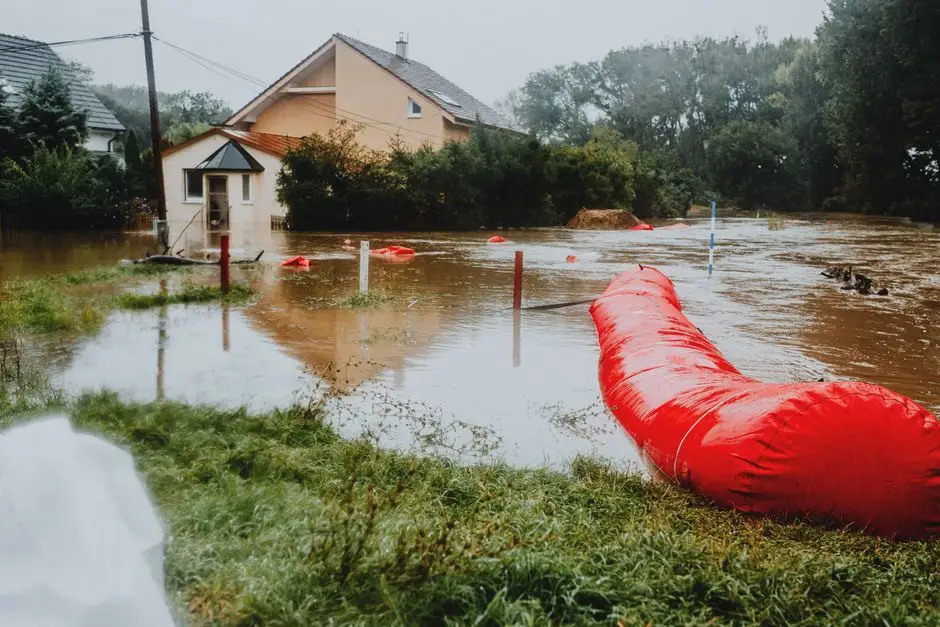
Flooded residential area protected by red flood barriers, showing severe weather impact.
Licensed Licensed & Bonded
Fully Insured Insured & Bonded
24/7 Emergency Same-Day Response
Warranty Backed Workmanship Guaranteed

What Basement Water Removal Includes

Basement water removal covers inspection, safe extraction, cleanup of affected surfaces, and the initial drying setup. We explain which materials are suitable for drying and identify damage that needs a separate repair, such as an active plumbing leak or a failed drainage component. The work is based on the water source and moisture readings, not a one-size-fits-all package.

Water Source Assessment

We inspect the affected rooms, identify the likely source, and note water depth and spread. This helps us spot an active pipe leak, sewage backup, or stormwater entry before choosing equipment. We also check for electrical hazards and access restrictions that affect safe extraction.
Standing Water Extraction

We pump or vacuum pooled water from accessible basement floors and collect residual water from edges and low points. Equipment selection depends on depth, room layout, and the water category. We protect routes through your home and avoid moving contaminated water into unaffected areas.

Surface Cleanup

We remove loose debris and clean suitable affected surfaces using methods appropriate to the water source. For contaminated losses, protective gear and isolation procedures reduce contact with affected materials. Items that cannot be safely cleaned are identified for removal rather than placed back into a dry room.

Drying Equipment Setup

We position air movers and dehumidifiers to support moisture removal from wet building materials. A moisture meter helps us set priorities and track change. Equipment stays in place according to readings, and we explain how to keep the basement accessible while the drying cycle runs.

Progress Documentation

We record affected areas and drying checks so you have a useful account of the cleanup. If readings remain high, we investigate accessible cavities or adjust the drying setup. This documentation also helps you coordinate follow-up repairs with a plumber, flooring contractor, or property manager.

Basement Water Removal in New York: The Work


Basement Water Removal in New York is an emergency property-cleanup service that removes standing water and starts drying wet structural materials after a leak or flood. We inspect the source and water depth, protect unaffected areas, then use pumps or extraction equipment suited to the room. Removing visible water is only the first step; moisture trapped in drywall, flooring, and framing needs measurement and controlled drying. We map affected areas with a moisture meter, document conditions, and explain whether materials can be dried or need removal.

New York homes face several water sources: winter frozen pipe failures, spring snowmelt, heavy rain, sump-pump problems, and sewage backups. Older stone or masonry foundations, finished basement rooms, and below-grade utility spaces each need a different approach. Our New York basement water extraction responds to the water category and building materials, not just the size of the puddle. For Basement Water Removal for flooded New York homes, we check for hidden moisture, electrical hazards, and contamination before drying begins.

What Happens During the Job

Basement water removal follows a deliberate sequence so the water source, safety hazards, and wet materials are addressed in the right order. We tell you what we are doing as we work and keep access routes as clear as possible. Extraction time ranges from under an hour for a small puddle to several hours for deep or multi-room flooding.

01

Schedule

Call or book online — a real human picks up and confirms a 2-hour arrival window.

02

Diagnose

Licensed tech inspects on-site, then walks you through the cause and your options.

03

Fix

The job is completed to code and done right the first time — no shortcuts, no surprises.

04

Guarantee

Every job backed by a written workmanship warranty — and we stand behind it.

Tools and Drying Methods

Tools & Equipment

Truck-mounted water extraction unit

For suitable sites, this unit removes large volumes of water through extraction hoses. We consider driveway access, hose distance, water depth, and the route through your home before using it.

Portable extraction pump

A portable extraction pump fits basements with narrow stairs or limited exterior access. We use it to move pooled water from low areas, then collect remaining water from edges and around fixed equipment.

Moisture meter

A moisture meter checks wet building materials and provides readings for drying decisions. We compare affected areas with dry reference points and use repeat readings to track whether moisture is declining.

Commercial dehumidifier

A commercial dehumidifier removes moisture from basement air while air movers encourage evaporation from wet materials. We place equipment based on room layout and adjust it as the drying readings change.

HEPA air scrubber

A HEPA air scrubber can help manage airborne particles during work that involves affected materials. We use it where the conditions and work area call for air filtration, especially while cleaning or removing debris.

Methods & Standards

ANSI/IICRC S500-informed restoration

We use the ANSI/IICRC S500 Standard for Professional Water Damage Restoration as a reference for assessment, extraction, drying, and documentation. The method starts with identifying the water category and materials, then uses measured conditions to guide equipment placement and progress checks. It helps keep decisions tied to the actual loss.

Moisture mapping and verification

We map affected materials with a moisture meter and compare readings against areas that were not exposed. Repeat checks show where drying is progressing and where hidden moisture may remain. When a wall or floor stays wet, we investigate accessible edges and revise the plan rather than relying on touch alone.

Contained cleanup for contaminated water

For sewage or other contaminated water, we restrict access and use protective equipment before extraction and cleaning. We remove affected waste, clean suitable surfaces, and manage airflow so work does not spread debris into clean rooms. The cleanup sequence depends on what the water contacted and which materials can be safely retained.

When to Call for Basement Help

01

You find several inches of water after a sump pump stops during heavy rain.

What we do: We assess the water depth, check access and electrical safety, then use a submersible pump or extraction unit to remove pooled water. After the pump-out, we inspect lower walls, stored items, and flooring for retained moisture. We also note whether water continued entering while extraction was underway.

→ The standing water is removed, wet areas are identified, and drying equipment is placed where readings show it is needed.

02

A frozen pipe thaws and releases water into a finished basement overnight.

What we do: We ask you to shut off the supply if it is safe, then inspect the affected room and nearby wall surfaces. Our crew extracts water from the floor, checks for moisture below trim, and begins controlled drying after the plumbing leak is addressed. We separate salvageable contents from items saturated by water.

→ The floor is cleared and the wet wall and flooring areas are tracked, helping you arrange repairs before more materials are affected.

03

A floor drain backs up and leaves foul-smelling water beside basement laundry equipment.

What we do: We treat the loss as potentially contaminated, keep foot traffic away, and use protective gear while removing the water and debris. We clean suitable hard surfaces and assess porous materials for removal. Drying equipment is set only after contaminated water and affected waste have been addressed.

→ The unsafe water and debris are removed, the cleanup area is defined, and you know which materials need disposal or further repair.

04

Rain seeps into a basement storage room after a prolonged wet spell.

What we do: We locate the affected floor and wall areas, extract pooled water, and remove wet debris that blocks access. Moisture checks help determine whether nearby drywall, stored cartons, or floor coverings need drying or removal. We record the likely entry route for your next drainage or exterior repair step.

→ The room is cleared of standing water and the extent of moisture damage is easier to see and address.

How Basement Water Removal Works Locally

Basement Water Removal in New York has to account for winter freezes, spring thaw, heavy rain, and buildings with very different foundation types. In November, homeowners are preparing for freezing weather, when exposed plumbing and unheated utility spaces can fail; spring brings snowmelt and repeated rain that test sump systems and basement drainage. Older masonry foundations may admit water through joints, while finished basements conceal damp drywall and flooring. Our basement flood cleanup New York work begins with the source, water depth, and material type, then follows measured extraction and drying steps. We keep the ANSI/IICRC S500 Standard for Professional Water Damage Restoration in view and check for electrical hazards before equipment enters a wet area. Building access also matters: a shared hallway, narrow stair, or occupied multi-unit property changes how we protect common areas and move equipment. We use protective coveralls and polyethylene containment sheeting when the work requires separation from unaffected rooms. Your crew explains what is happening and records the moisture checks as the basement dries.

Neighborhoods We Serve

  • Syracuse

    Winter freezes and older basement foundations can combine with thaw and rainwater intrusion. We check pipe-adjacent walls and lower masonry for moisture after extracting visible water.

  • Kiryas Joel

    Finished lower-level rooms and shared access routes need careful equipment placement. We plan hose and drying-unit positions to keep household movement safer during cleanup.

  • Elmont

    A sump issue or heavy rainfall can push water into below-grade rooms. We inspect the lowest floor areas first and check nearby stored belongings and wall edges.

  • Port Chester

    Older building layouts and compact utility spaces can limit access. We choose portable equipment when needed and protect common routes while removing water.

  • Glen Cove

    Rain and runoff can affect basement storage and utility areas. We assess the likely entry point alongside the water removal so the next repair addresses the source.

Local Conditions We Plan For

  • Cold snaps freeze exposed pipes in unheated basement spaces.

    A pipe can split and release water after it thaws, soaking nearby walls and flooring. We check the source first, then extract and measure moisture around the plumbing route.

  • Repeated rain or snowmelt overwhelms a sump or low entry point.

    Water may collect in the lowest room and spread beneath stored items or floor coverings. We pump out the pooled water and inspect the surrounding materials for retained moisture.

  • Older masonry foundations allow seepage through joints and cracks.

    Slow seepage can wet a wider area than the visible puddle suggests. We trace damp zones and document the affected surfaces so drying and later foundation work address the same area.

Frozen Pipe in a Utility Room

Before

A split line released water into a basement utility room and soaked the concrete floor, lower drywall, and stored cartons. The homeowner shut off the water, but a shallow layer remained around the furnace and under shelving. The visible puddle did not show how far moisture had traveled along the wall.

After

We removed the pooled water, cleared wet debris, and checked the wall and floor with a moisture meter. Two air movers and a commercial dehumidifier ran for four days, with readings recorded during follow-up checks. The concrete dried and the lower wall section was identified for repair rather than being covered while damp.

Maintenance: Insulate vulnerable pipes, keep the utility room above freezing, and check for drips after cold nights. Leave a clear route to the shutoff valve so you can act quickly if a line fails.

Before

Rainwater entered near a basement doorway and spread across about 180 square feet of finished flooring. Water reached baseboards and a storage closet, while the surface looked only lightly wet. The homeowner needed the floor cleared and a reliable answer about whether the adjacent wall had absorbed moisture.

After

Our crew extracted the standing water, removed wet debris, and mapped moisture at the flooring edges and lower wall. Drying equipment ran for three days, with follow-up readings showing the affected areas moving toward the dry reference points. We documented which flooring could remain and where repairs were needed.

Maintenance: Keep the entry area clear, inspect door seals after heavy rain, and test sump operation before wet weather. Move stored cartons off the floor so a small leak is easier to spot.

Before

A floor drain backed up into a basement storage room, leaving foul water around boxes and along the wall. The occupants kept away from the room, but porous items were wet and the affected area had not been cleaned. The water source made ordinary household vacuuming an unsafe option.

After

We isolated the work area, removed contaminated water and debris, and cleaned suitable hard surfaces using appropriate protective measures. We checked the lower wall and floor for moisture, then set drying equipment after cleanup. The room was left with a documented list of items requiring disposal and materials needing repair.

Maintenance: Avoid storing important items directly on basement floors, and address slow drains before they back up. If a drain releases foul water, keep people and pets out until the affected area is cleaned.

Stop Basement Flood Damage Early

Basement flooding rarely stays limited to the visible puddle. Water spreads beneath flooring, soaks lower drywall, and can affect stored belongings or mechanical equipment. Our team removes standing water and checks the surrounding materials so you can act on the actual damage. New York basement flood cleanup and structural drying start with identifying the water source and affected area.

Problem

A burst pipe leaves water beneath finished basement flooring.

Water trapped under flooring can swell materials and keep the subfloor damp, even when the surface appears dry. Delayed drying increases repair work.

Our Fix

We identify the affected floor area, extract surface water, and check accessible edges and adjoining walls for moisture. After the pipe is repaired, we set drying equipment according to readings and explain whether flooring can be dried in place or needs removal. You get a practical plan for the wet materials rather than a guess based on appearance.

Problem

Stormwater enters through a low basement window or foundation opening.

Runoff can carry dirt and debris into storage areas, soak wall finishes, and leave water at the lowest point of the room.

Our Fix

We remove standing water with a pump or extraction unit, collect debris, and inspect nearby walls and flooring for retained moisture. The crew notes the entry point and checks whether the water appears contaminated. Once extraction is complete, we place drying equipment and identify any exterior or drainage repair needed to reduce repeat intrusion.

Problem

A sewage backup leaves contaminated water across the basement floor.

Contact with sewage water can expose occupants to contaminants, while porous items may become unsuitable for cleaning and continued use.

Our Fix

We keep people and pets out of the affected area, use protective equipment, and remove contaminated water and debris. Suitable hard surfaces are cleaned with appropriate methods, and porous materials that cannot be safely restored are identified for disposal. We then dry remaining materials and explain when the room is ready for follow-up work.

Problem

Hidden moisture remains behind basement walls after a quick pump-out.

Wet insulation or framing can stay damp after the floor looks clear, extending drying time and leaving a musty smell in the room.

Our Fix

We compare moisture readings across affected and unaffected areas, inspect accessible wall edges, and use a thermal imaging camera when it helps locate temperature patterns associated with moisture. If readings remain elevated, we adjust airflow or recommend opening an affected section for inspection. The aim is to verify drying, not simply remove the visible water.

A Drier Basement, Less Guesswork

A Drier Basement, Less Guesswork

Basement water left in place keeps soaking porous materials and can leave a musty odor behind. We remove water, identify what is wet, and track drying with readings rather than appearance alone. You get a clear sequence: extraction, cleaning where needed, equipment placement, and a check of moisture levels before the job is considered dry.

  • Faster Water Removal

    A portable extraction pump or submersible pump moves pooled water out before it continues soaking the slab, stored belongings, and lower wall sections. For larger or accessible jobs, our crew can use a truck-mounted water extraction unit. The right setup depends on water depth, stairs, doorway width, and whether power or safe access is available.

  • Measured Structural Drying

    We use a moisture meter to compare affected materials with dry areas and place air movers and commercial dehumidifiers where readings show retained moisture. A basement that looks dry can still hold water behind baseboards or inside a wall cavity. We recheck readings during the drying period and adjust equipment instead of guessing from surface appearance.

  • Contamination-Aware Cleanup

    Rainwater and a sewage backup are not handled as the same kind of loss. We identify the likely water source, isolate affected areas when needed, and use appropriate protective gear and cleaning steps. If the water is contaminated, we limit contact and keep the cleanup focused on safe removal, disposal, and treatment of affected surfaces.

  • Clearer Next Steps

    You receive a practical explanation of which materials are wet, what can be dried, and what requires removal or a follow-up trade. Our basement flood cleanup New York work includes documenting affected rooms and the equipment used, so you can discuss the loss with a property manager or insurer without relying on memory.

Training and Work Standards

Licensed & Certified

  • Water Damage Restoration Technician — issued by Institute of Inspection, Cleaning and Restoration Certification
  • Applied Structural Drying — issued by Institute of Inspection, Cleaning and Restoration Certification
  • Applied Microbial Remediation Technician — issued by Institute of Inspection, Cleaning and Restoration Certification
  • OSHA worker safety training — issued by Occupational Safety and Health Administration training programs

Verified Reviews

Customer feedback Not rated

A homeowner described a basement pipe leak that left water around storage shelves. The crew extracted the water, checked wall readings, and explained why drying equipment needed to stay in the room. The useful part was getting a clear account of what was wet instead of being told the floor looked fine.

Customer feedback Not rated

A property manager reported a rainwater loss in a basement storage area. The team removed standing water, separated wet debris, and documented the follow-up moisture checks. Their notes helped the manager coordinate repairs to the entry point and make decisions about affected stored items.

Customer feedback Not rated

After a drain backup, a customer valued that the crew restricted access and treated the water as contaminated. They removed the affected water and debris, cleaned appropriate hard surfaces, and explained which porous items should not return to the room.

Practical Basement Cleanup Expertise

Our crew handles residential and light-commercial basement losses across New York, from a single utility-room leak to multi-room stormwater intrusion. Technicians trained as IICRC Water Damage Restoration Technician (WRT) follow recognized assessment and drying practices, including the ANSI/IICRC S500 Standard for Professional Water Damage Restoration. We also apply OSHA worker safety training and use protective coveralls and disposable protective gloves where the job requires them. We do not guess at moisture or treat every water source alike; we assess, extract, clean, and verify.

  • IICRC Water Damage Restoration Technician training supports consistent assessment, extraction, and drying decisions for residential water losses.
  • ANSI/IICRC S500 Standard for Professional Water Damage Restoration informs practical procedures for water damage work and documentation.
  • OSHA worker safety training guides hazard awareness, protective equipment, and safe movement through wet basement work areas.
  • Our technicians distinguish clean supply-line water from sewage backups and other contaminated water before selecting cleanup measures.
  • Moisture readings and visual inspection help us find wet building materials that remain hidden behind trim or wall surfaces.
Get Started Today
Practical Basement Cleanup Expertise

Basement Water Removal FAQs

Real answers to the questions we hear most often from local homeowners and property managers.

How quickly can basement water be removed in New York?
A small basement puddle can take about 1 to 2 hours to extract; deep or multi-room flooding can take several hours. The time depends on water depth, access, and whether the source is still active. We first check for electrical and contamination hazards, then choose a pump or extraction unit. Structural drying continues after visible water is gone and often takes 3 to 5 days for common residential materials.
Who provides basement water extraction near me?
New York Water Extraction Pros handles basement water extraction across New York; call +18668968166 for help with a flooded basement. Tell us your city, the likely water source, and how deep the water is so we can plan equipment and safety steps. We assess the site, remove standing water, and explain the drying work. If sewage or an active pipe leak is involved, mention it before entering the basement.
Can a basement water removal service dry walls and flooring?
Yes, we dry affected walls and flooring with air movers and dehumidifiers, then check moisture readings as materials dry. Some materials, including swollen composite flooring or contaminated porous items, may need removal rather than drying. We inspect edges, trim, and accessible cavities for hidden moisture behind walls. The drying plan depends on material type, water category, and measured conditions, not just how the surface feels.
What affects the cost of basement flood cleanup in New York?
The cost of professional basement water removal in New York depends on water volume, affected square footage, contamination, access, and drying duration. Small clean-water pump-outs may cost $300 to $900, while larger or contaminated losses can reach $1,000 to $5,000 or more. Finished walls, flooring removal, and multiple equipment days increase labor. We explain pricing upfront after assessing the water and affected materials.

Related Water Cleanup Services

Emergency Water Extraction

Emergency extraction addresses sudden basement flooding from a broken line, failed appliance, or stormwater entry. We assess hazards, remove pooled water, and begin drying affected materials. If the leak is still active, we help identify the immediate source so extraction does not become a temporary fix while water continues entering.

View Emergency Water Extraction

24/7 Water Removal

Water does not wait for business hours, especially after a frozen pipe failure or overnight sump problem. Our 24/7 Water Removal response is intended for urgent water intrusion in New York homes. We ask about the source and depth, then plan a safe pump-out and drying setup for your basement.

View 24/7 Water Removal

Standing Water Removal

Standing water removal focuses on pooled water that remains after a leak, backup, or storm. We select a pump or vacuum based on depth and floor access, then collect residual water from corners and around equipment. Moisture checks follow so hidden wet materials are not overlooked.

View Standing Water Removal

Flood Water Extraction

Flood water extraction is useful when heavy rain or surface runoff reaches below-grade rooms. We remove water, identify affected contents and materials, and separate cleanable surfaces from items that need disposal. The water source and contamination level determine the cleaning and protective measures used.

View Flood Water Extraction

Crawl Space Water Removal

Water in a crawl space can migrate toward a basement and keep framing damp. We remove accessible pooled water and inspect the area for wet insulation, standing water, and signs of continued entry. Drying and follow-up depend on clearance, ventilation, and whether a plumbing or drainage issue remains.

View Crawl Space Water Removal

Sewage Water Extraction

A sewage backup requires a different response from a clean pipe leak. We isolate contaminated areas, wear appropriate protective equipment, remove sewage water and affected debris, then clean and treat suitable surfaces. Keep children and pets away from the space until contaminated water and materials are addressed.

View Sewage Water Extraction

Get Basement Water Removal in New York

Standing water will keep working into your basement floor and lower walls. Call +18668968166 and tell us what happened, how deep the water is, and whether the source is still active. Our trained technicians will explain the next step and start with a site assessment.

Call Now Request Help

Contact Our Team

Call New York Water Extraction Pros at +1 866-896-8166 any time, day or night, for help with flooding, leaks, or standing water. Tell us your community, the affected rooms, and whether the water is still coming in. We will connect you with an independent company serving your area and help move the response forward.

Or call us right now at +18668968166 — we answer.

New York Water Extraction Pros


  • Phone

    +18668968166
  • Address

    New York

  • Hours

    Mon–Fri: 7AM – 7PM
    Sat: 8AM – 4PM
    Sun: Emergency Only
    24/7 Emergency Available

Call +18668968166 Get Quote
Call Quote