Logo
Get Estimate

Burst Pipe Water Extraction in New York

Rapid water removal and drying for homes and businesses


Burst Pipe Water Extraction in New York gets water out of your home or business after a supply line splits, a fitting fails, or a frozen pipe thaws. We locate the affected rooms, remove standing water, and start structural drying so damage does not keep spreading beneath floors or behind walls. If a leak has soaked your basement, kitchen, or apartment, our team is ready to help across the state.

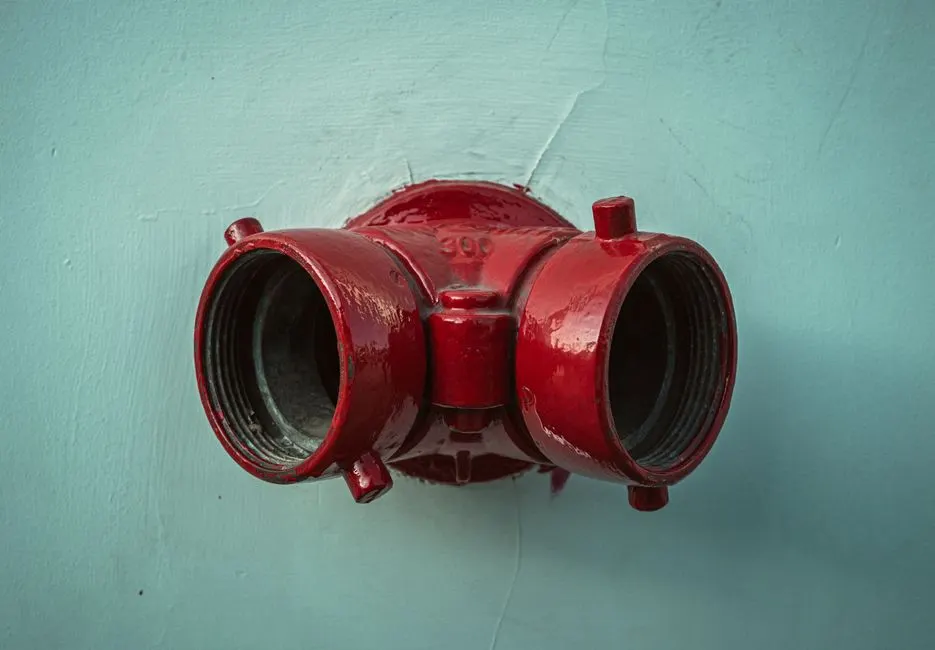
A vibrant red fire hydrant contrasts against a light blue wall, showcasing urban infrastructure.
Licensed Licensed & Bonded
Fully Insured Insured & Bonded
24/7 Emergency Same-Day Response
Warranty Backed Workmanship Guaranteed

What Burst Pipe Cleanup Includes

Burst pipe service covers water removal, inspection of affected materials, and the setup and monitoring of structural drying when conditions call for it. We identify what the water touched and explain the next steps. Plumbing repair, replacement finishes, and rebuilding are separate trades, but we can help you understand when those repairs should follow extraction and drying.

Initial Water Assessment

We identify the apparent source, affected rooms, water depth, and visible path. Moisture checks help us look beyond the puddle, including floor edges and lower wall sections. You get a clear explanation of what needs immediate extraction and which areas require monitoring.
Standing Water Extraction

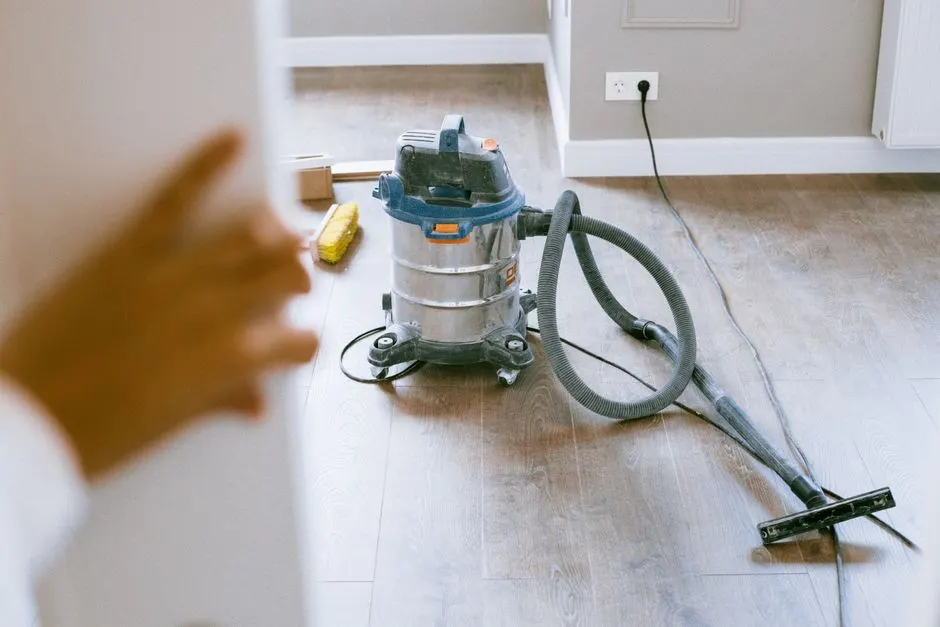
We remove pooled water with a truck-mounted unit, portable extraction pump, submersible pump, or wet/dry vacuum as appropriate. Equipment choice depends on water depth, floor type, access, and the size of the affected area. We finish accessible surfaces with extraction pads where needed.

Drying Equipment Setup

We place air movers and dehumidification equipment to promote drying in affected rooms. Equipment placement reflects the materials, room shape, and safe access for occupants. Our technicians explain what should remain clear and how monitoring visits will track progress.

Moisture Monitoring

We compare readings over time to see whether floors, wall areas, and other materials are drying as expected. If a reading remains elevated, we adjust airflow or investigate the area further. This step helps determine when drying equipment can be removed.

Cleaning Guidance

After a clean supply-line leak, we discuss appropriate cleaning for affected hard surfaces and materials. If the water is contaminated or its source is uncertain, we use suitable precautions and explain what additional cleaning is required. Antimicrobial cleaning solution is used only where conditions warrant it.

Burst Pipe Water Extraction in New York


Burst Pipe Water Extraction in New York is an emergency water damage service that removes water released by a broken or leaking pipe and begins drying affected building materials. We first make sure the water source is shut off, then assess the amount and path of the water. A truck-mounted water extraction unit handles accessible floors, while a portable extraction pump or submersible pump clears deeper water. We check floors, baseboards, and wall cavities with a moisture meter, then set drying equipment based on the materials and readings.

New York homes face frozen pipe failures during November-to-spring cold snaps, as well as sudden leaks from aging valves, appliance lines, and plumbing joints. Multi-unit buildings add another complication: water can travel through ceilings and shared walls before it appears below. Our New York burst pipe water removal process separates clean supply-line water from contaminated water, documents affected rooms, and prioritizes materials that need quick attention. For Burst Pipe Water Extraction for New York homes, early removal limits swelling, finish damage, and hidden moisture.

What Happens During Service

Burst Pipe Water Extraction in New York follows a practical sequence: control the source, measure the damage, remove water, and dry the structure. We keep you informed as each stage changes the condition of your rooms.

01

Schedule

Call or book online — a real human picks up and confirms a 2-hour arrival window.

02

Diagnose

Licensed tech inspects on-site, then walks you through the cause and your options.

03

Fix

The job is completed to code and done right the first time — no shortcuts, no surprises.

04

Guarantee

Every job backed by a written workmanship warranty — and we stand behind it.

Equipment and Drying Methods

Tools & Equipment

Truck-mounted water extraction unit

This unit removes high volumes of water from accessible floors and larger rooms. We use it when the route and surface allow efficient extraction, then switch to smaller tools for edges and remaining pockets.

Portable extraction pump

A portable extraction pump reaches water in basements, utility rooms, and areas where vehicle-mounted equipment cannot reach. It helps remove pooled water before detailed surface extraction and drying.

Moisture meter

We use a moisture meter to compare affected materials with unaffected areas and track changes over follow-up visits. Readings help determine whether drying equipment needs adjustment or can be removed.

Air mover and commercial dehumidifier

Air movers direct airflow across wet surfaces while a commercial dehumidifier draws moisture from the air. We position and adjust them according to room layout, material type, and monitoring results.

Thermal imaging camera

A thermal imaging camera helps locate temperature patterns that may indicate areas for closer moisture inspection. It supports, but does not replace, direct moisture readings and a technician's assessment.

Methods & Standards

ANSI/IICRC S500-informed restoration

We use the ANSI/IICRC S500 Standard for Professional Water Damage Restoration as a framework for assessment, water removal, and structural drying. On your job, that means we identify the water source, record affected conditions, select suitable equipment, and monitor progress instead of treating every loss the same way.

Source and water classification

We establish whether water came from a clean pressurized supply line or may involve sewage or outside contaminants. Classification shapes protective measures, cleaning choices, and material handling. If the source is uncertain, we treat that uncertainty seriously until the affected water can be assessed.

Measured structural drying

We combine airflow and dehumidification, then compare moisture readings at affected locations over time. Equipment is repositioned when readings show uneven progress. This approach helps dry suitable building materials in place while flagging areas that require access, removal, or repair.

When to Call for Extraction

01

A pipe splits at night during a November cold snap, soaking a basement utility room and nearby storage.

What we do: Once the supply is shut off, we pump water from the low area, remove the remaining surface water, and check nearby walls and stored contents. We set drying equipment where readings show wet materials and explain which items should be moved or kept out of the work zone.

→ The basement is cleared of standing water, affected surfaces begin controlled drying, and you have a documented picture of the areas requiring follow-up.

02

A second-floor bathroom fitting fails while you are away, leaving water marks in the room below.

What we do: We inspect both the source room and the ceiling or wall below, remove water from accessible surfaces, and trace moisture into adjoining areas. Moisture readings guide drying equipment placement, while you arrange plumbing repair for the failed fitting.

→ Both the obvious leak area and the room below receive attention, reducing the chance that concealed wet materials are overlooked.

03

A laundry hose bursts in a multi-unit property, sending water into a shared corridor and neighboring unit.

What we do: We prioritize safe access, extract water from the corridor and affected rooms, and check floor edges and shared wall areas. The team keeps paths usable while drying equipment runs and provides condition updates for the property manager.

→ The wet common area is cleared and the impacted units have a defined drying plan, helping residents and building staff coordinate next repairs.

04

A frozen line thaws in an unheated section, releasing water into a crawl space and lower-level room.

What we do: We remove accessible standing water, assess the crawl space route, and check nearby structural materials for moisture. Where clearance is limited, we select equipment that can be positioned safely and monitor the areas that remain damp.

→ Water is removed from accessible low points and the hidden areas are included in drying checks, rather than judged by the room's surface appearance alone.

How Service Works Across New York

Burst Pipe Water Extraction in New York has to account for sharp seasonal shifts and a wide mix of building types. As November brings colder nights, exposed plumbing in basements, garages, and crawl spaces faces greater freeze risk; winter thaw cycles can reveal cracks that formed while a line was frozen. Older homes may have narrow stairs, finished lower levels, or several layers of flooring that affect equipment access. In apartment buildings, water can cross ceilings and shared walls before reaching a visible stain. Our New York burst pipe water removal approach starts with the building, not a standard equipment package. We plan routes for pumps and extraction units, protect usable walkways, and check the rooms above and below the reported leak. Where materials are older or painted surfaces could be disturbed, we consider EPA lead-safe certification requirements where applicable. We follow the ANSI/IICRC S500 framework for restoration decisions and use moisture readings to guide drying. Whether the loss is in Schenectady, New City, West Babylon, Franklin Square, or West Islip, our goal is to remove water promptly and verify affected materials as they dry.

Neighborhoods We Serve

  • Schenectady homes

    Cold snaps can expose vulnerable plumbing in basements and utility areas. We check the full route from the failed line to lower floor edges, not only the room where water first appeared.

  • West Babylon properties

    Single-family homes and multi-unit buildings call for different equipment access plans. We keep extraction routes practical and check adjoining rooms where water may have crossed flooring.

  • New City residences

    Finished lower levels and storage areas can conceal water at wall edges. Moisture checks help distinguish a dry-looking surface from materials that still need controlled drying.

  • Franklin Square buildings

    Closely arranged homes and shared property access can affect equipment placement. We plan work zones around occupied paths while tracing water into adjacent rooms.

Local Conditions We Plan For

  • Cold snaps and freeze-thaw cycles affecting exposed supply lines

    A pipe can crack while frozen and release water as temperatures rise. We check nearby spaces for the full wet path, since the first visible puddle may not mark where the water traveled.

  • Older basements with finished walls and limited access

    Water may sit behind finishes or under flooring where it cannot be judged by sight. We use moisture readings and adjust the drying plan around safe access and the materials involved.

  • Shared walls and ceilings in multi-unit buildings

    A leak can cross between units or appear on a different floor from the failed pipe. We check connected areas and organize equipment so hallways and required access routes remain usable.

Basement Pipe Failure

Before

A split pipe left about two inches of water across a basement utility area and soaked the bottom edges of stored cardboard boxes. The floor drain could not keep up, and water had reached a finished room. The homeowner had shut off the supply, but pooled water remained across the low section.

After

A submersible pump cleared the deepest water, followed by detailed extraction across the floor. The affected area was reduced to damp surface edges, and air movers with dehumidification were set for monitoring. Follow-up readings over several days showed drying progress in the accessible wall and floor materials.

Maintenance: Keep stored items on shelving rather than directly on the basement floor, and know where the main shutoff is located. During cold weather, check exposed plumbing and unheated spaces for leaks or unusual dampness.

Before

A failed bathroom supply line soaked the floor and sent water through a ceiling seam into the room below. The downstairs stain was small, but nearby wall and ceiling materials showed signs of moisture. The occupants needed both levels checked before deciding what repairs were necessary.

After

We extracted water from the bathroom floor and mapped the areas below with moisture checks. Drying equipment addressed the affected rooms, with readings reviewed during follow-up. The visible ceiling stain remained a repair issue, but the moisture condition of surrounding materials was tracked instead of assumed.

Maintenance: Inspect flexible supply hoses and shutoff valves periodically, especially near sinks and toilets. Replace a hose that shows cracking, corrosion, or bulging, and close the local valve before leaving a fixture with a known leak.

Before

A laundry hose released water across a small room and into the hallway before anyone noticed. Water reached the edge of an adjoining floor covering, creating concern that it had traveled underneath. The washer was turned off, but the wet boundary was not clear.

After

We removed the standing water, extracted the floor surface, and checked the hallway and laundry-room edges for moisture. Airflow was directed at the affected area, and the readings helped show where drying remained necessary. The occupant could use the unaffected rooms while the wet section was monitored.

Maintenance: Check laundry connections for leaks and wear, and avoid leaving a running washer unattended for long periods. Keep the shutoff valves accessible so the water supply can be stopped quickly if a hose fails.

Resolve Hidden Damage After Pipe Leaks

A burst pipe leaves more than a wet floor: water can run under cabinets, soak insulation, or collect inside a wall. We trace the affected area, remove standing water, and use readings to guide drying. New York pipe leak cleanup and structural drying keeps the response focused on actual moisture, not guesswork.

Problem

Water trapped beneath flooring after a kitchen supply line fails

Moisture beneath planks or tile underlayment can remain after the visible floor looks dry, contributing to swelling, loosened finishes, and lingering dampness.

Our Fix

We extract surface water, inspect flooring edges and nearby cabinets, and record moisture readings in accessible materials. Airflow and dehumidification are positioned to address the affected area. If readings point to trapped water that cannot dry in place, we explain the access or repair step needed.

Problem

Basement flooding from a split pipe during a winter freeze

Water collects at low points, reaches stored belongings, and wets lower walls or finished flooring before the leak is discovered.

Our Fix

We pump out deeper water first, then extract remaining water from floors and accessible materials. The team checks adjoining rooms and lower wall sections for spread, sets drying equipment, and monitors readings. You receive a clear update on which contents and building materials need attention.

Problem

Hidden moisture behind walls after an upstairs pipe leak

Water may travel through a ceiling cavity or shared wall and appear far from the failed fitting, leaving damp materials concealed from view.

Our Fix

We map visible water and use moisture checks to identify areas that warrant further inspection. Thermal imaging can help locate temperature patterns, while follow-up readings confirm whether materials are drying. We explain when opening a section or arranging a trade repair is needed to reach trapped moisture.

Problem

Water reaching multiple units in an apartment building

A leak above can affect ceilings, shared walls, and corridors, complicating access and making it harder to identify every impacted room.

Our Fix

We work through the affected areas in a practical order, document conditions, and keep equipment placement clear of shared paths. Our team checks neighboring surfaces for moisture and coordinates updates with the person managing access. This helps each affected space receive appropriate extraction and drying.

Less Damage, Faster Recovery

Less Damage, Faster Recovery

A burst line can soak a room in minutes, but the right sequence reduces the amount of material that needs repair. We remove water first, identify wet areas that are easy to miss, and build a drying plan around your home rather than placing equipment at random.

  • Stop Water Spread

    We extract standing water from floors, utility rooms, and accessible cavities before it migrates farther. A wet/dry vacuum or pump clears remaining pockets after bulk extraction. Getting water out promptly helps protect nearby rooms, reduce swelling at door casings, and keep a localized pipe failure from turning into widespread flooded room cleanup after a pipe burst.

  • Find Hidden Moisture

    Water often travels beneath flooring or into wall assemblies without leaving an obvious surface puddle. We use moisture readings and thermal imaging to map affected areas, then recheck during drying. That gives you a clearer picture of what is wet and helps prevent a dry-looking room from concealing damp framing or insulation.

  • Dry Materials Deliberately

    Air movers direct airflow across wet surfaces while a commercial dehumidifier removes moisture from the room. We position equipment to suit the layout and adjust it as readings change. The goal is measurable progress, not simply running machines for a fixed number of days.

  • Keep the Next Step Clear

    We explain which areas need extraction, which materials need drying, and what should be checked again. If a pipe leak affects a finished basement or shared building space, we document the affected areas and coordinate the drying sequence with you so restoration decisions are based on actual conditions.

Standards and Safe Work

Licensed & Certified

  • Water Damage Restoration Technician — issued by IICRC
  • Applied Structural Drying — issued by IICRC
  • Applied Microbial Remediation Technician — issued by IICRC
  • OSHA worker safety training — issued by OSHA

Verified Reviews

Customer feedback ★★★★★5.0

A pipe burst in our lower level and water reached the storage area. The crew pumped out the standing water, checked the baseboards, and explained how they would track drying. They returned to take readings instead of guessing from the surface. We appreciated having a clear update on each affected section.

Customer feedback ★★★★★5.0

Water from an upstairs leak showed up in the ceiling below. The team checked both rooms, removed the water from the floor, and placed drying equipment where it was needed. They also explained the difference between drying and fixing the plumbing, which helped us organize the next repair.

Customer feedback ★★★★★5.0

Our laundry hose failed while we were out, and water spread into the hallway. The crew extracted the water and checked the floor edges instead of stopping at the visible puddle. Their follow-up moisture checks helped us understand which part of the room was still drying.

Practical Restoration Expertise

Burst pipe losses call for more than a vacuum and a fan. We assess how water moved, which materials can be dried in place, and where access is needed to verify conditions. Our technicians use procedures informed by the ANSI/IICRC S500 Standard for Professional Water Damage Restoration and relevant IICRC training, including Water Damage Restoration Technician principles. We also follow OSHA worker safety training practices on active jobs. Your situation gets a measured plan, from first extraction through final moisture checks, without claiming a fixed drying time before readings support it.

  • IICRC Water Damage Restoration Technician training informs our water classification, extraction sequence, and structural drying decisions.
  • We use moisture mapping to compare affected and unaffected materials rather than relying on surface appearance alone.
  • Our team distinguishes a clean supply-line leak from sewage backups or stormwater intrusion before choosing handling procedures.
  • Technicians plan equipment placement around occupied rooms, narrow stairs, basements, and shared building access.
  • Where older painted materials are involved, we consider EPA lead-safe certification requirements where applicable.
Get Started Today
Practical Restoration Expertise

Burst Pipe Questions, Answered

Real answers to the questions we hear most often from local homeowners and property managers.

What should I do before burst pipe water extraction begins?
Shut off the water supply if you can reach the valve safely, and keep people away from standing water near electrical outlets. Move small valuables to a dry room and avoid using a household vacuum on water. We assess the leak area, start extraction, and check nearby materials. If the water may contain sewage or the ceiling is sagging, keep clear and tell our team when you call.
Who provides emergency burst pipe water removal in New York?
New York Water Extraction Pros provides emergency burst pipe water removal across New York, including extraction and structural drying. We remove standing water, check affected surfaces and concealed areas, and place drying equipment based on the conditions. A licensed plumber or building maintenance professional should repair the pipe; our crew focuses on water removal and the resulting damage. Call +18668968166 to arrange help.
How quickly should water be removed after a pipe bursts?
Start extraction as soon as the leak is controlled, ideally within the first 24 hours, because wet materials can swell and moisture can spread. The right response depends on water volume, temperature, and materials; a small room may take one to three hours to extract, followed by several days of drying. We prioritize standing water first, then track moisture readings.
Does burst pipe cleanup include drying walls and floors?
Yes, our cleanup includes drying affected walls and floors when they can be safely dried in place. We check baseboards, flooring edges, and accessible wall areas, then position air movers and dehumidification equipment. Hidden moisture may require additional access or repair work. We monitor readings during the drying period and explain what those measurements show before removing equipment.

Other Water Damage Services

Emergency Water Extraction

Emergency Water Extraction focuses on quickly removing water from rooms affected by a sudden pipe failure. We assess the volume and access, use extraction equipment suited to the surface, and move into drying once standing water is cleared. It is a direct fit when your priority is getting water off floors now.

View Emergency Water Extraction

24/7 Water Removal

A burst pipe can release water overnight, during a holiday, or while a building is occupied. 24/7 Water Removal addresses urgent standing water and starts the cleanup sequence outside ordinary daytime hours. We first confirm source control, then extract and identify areas that need follow-up drying.

View 24/7 Water Removal

Standing Water Removal

Standing Water Removal targets pooled water left by a broken supply line, failed appliance hose, or plumbing connection. We use pumps or extraction units according to depth, then check corners and low points where water collects. Removing the visible water is the first step before structural drying begins.

View Standing Water Removal

Flood Water Extraction

Flood Water Extraction helps when a pipe failure combines with stormwater intrusion or water enters from outside. Water source and contamination matter, so we assess conditions before selecting handling and cleaning procedures. Extraction clears the affected area, while drying and appropriate cleaning address remaining moisture and residue.

View Flood Water Extraction

Basement Water Removal

A burst line in a basement can send water toward a floor drain, storage area, or finished room. Basement Water Removal uses pumps and extraction tools to clear low-level water, then checks lower walls and flooring for retained moisture. We also consider access, stored contents, and safe equipment placement.

View Basement Water Removal

Crawl Space Water Removal

Pipe leaks beneath a home can leave crawl space flooding out of sight, where moisture affects framing and insulation. Crawl Space Water Removal clears accessible water and helps identify wet materials that need drying or further attention. We plan around low clearance and the route water took through the space.

View Crawl Space Water Removal

Get Burst Pipe Water Extraction in New York

Standing water spreads quickly through flooring and wall edges after a pipe failure. Our team handles extraction and measured drying across New York. Call +18668968166 now to explain where the pipe burst and which rooms are affected.

Call Now Request Service

Contact Our Team

Call New York Water Extraction Pros at +1 866-896-8166 any time, day or night, for help with flooding, leaks, or standing water. Tell us your community, the affected rooms, and whether the water is still coming in. We will connect you with an independent company serving your area and help move the response forward.

Or call us right now at +18668968166 — we answer.

New York Water Extraction Pros


  • Phone

    +18668968166
  • Address

    New York

  • Hours

    Mon–Fri: 7AM – 7PM
    Sat: 8AM – 4PM
    Sun: Emergency Only
    24/7 Emergency Available

Call +18668968166 Get Quote
Call Quote