
Logo
Get Estimate

Frozen Pipe Water Damage Extraction in New York

We remove burst-pipe water and start structural drying


Frozen Pipe Water Damage Extraction in New York helps homeowners and property managers regain control after a pipe splits during a hard freeze. We extract water, check wet materials, and set drying equipment before moisture spreads into floors, walls, and lower levels. Our crew also provides frozen pipe water removal in New York when a thaw reveals a leak overnight, during a holiday, or after a heating failure.

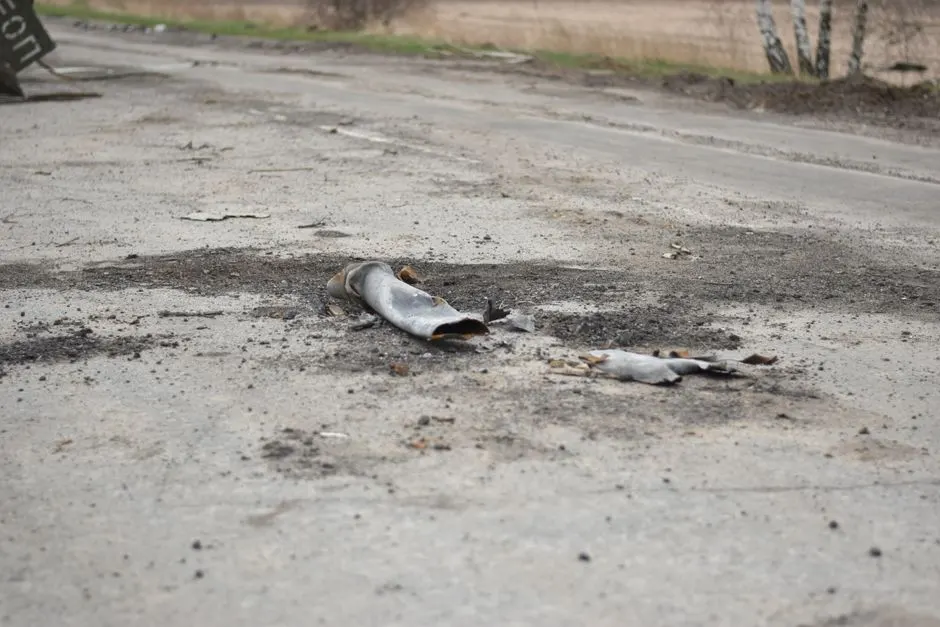
A fragment of a military shell lies on a rural road, depicting destruction.
Licensed Licensed & Bonded
Fully Insured Insured & Bonded
24/7 Emergency Same-Day Response
Warranty Backed Workmanship Guaranteed

What Frozen Pipe Extraction Includes

Frozen Pipe Water Damage Extraction covers removal of accessible water, inspection of affected materials, and a drying setup guided by moisture readings. We explain what is wet and what needs follow-up. Pipe repair and reconstruction of damaged finishes are handled as separate work, so you can coordinate the right trade for each part of the recovery.

Initial Water Assessment

We identify the visible water, affected rooms, and likely travel path from the frozen line. The assessment includes access and safety checks, plus a plan for prioritizing rooms if water has crossed a hallway or reached a basement.
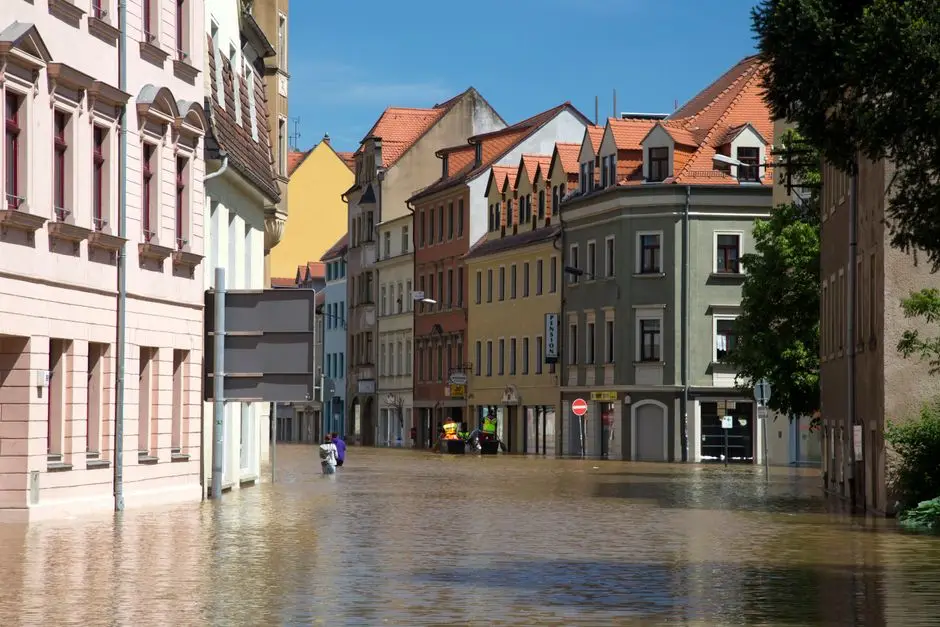
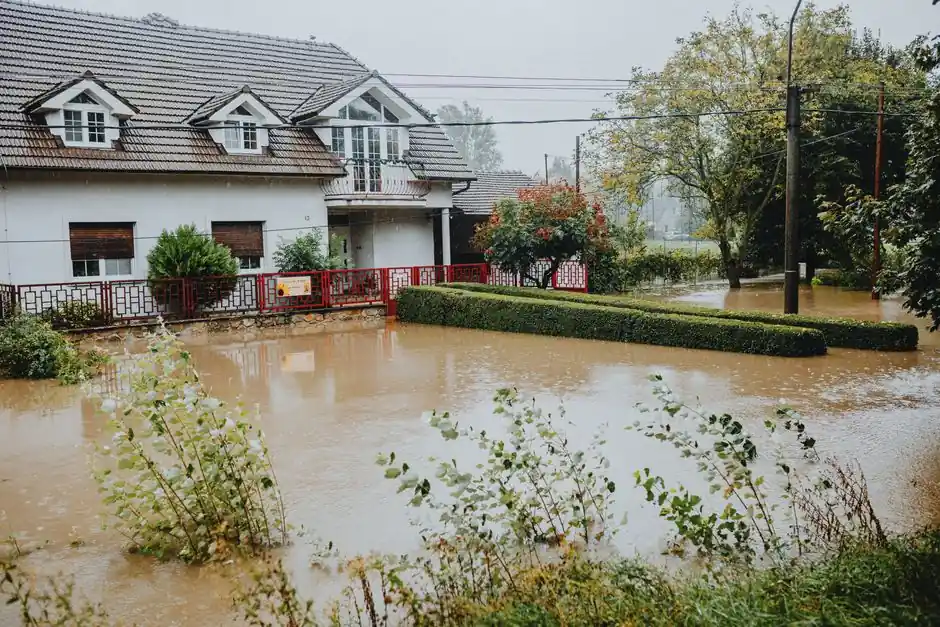
Standing Water Extraction

We remove pooled water with pumping or vacuum extraction selected for the depth, floor surface, and access. Water-absorbent extraction pads can collect residual water from suitable hard surfaces after bulk water is removed.

Moisture Checks

We take readings in affected flooring, wall edges, and other accessible materials, then compare them with nearby areas. These checks help reveal hidden moisture behind walls or below surfaces that appear dry.

Drying Equipment Setup

We position air movers and dehumidification equipment to circulate air and collect moisture from the room. Equipment placement responds to the affected materials and readings, with follow-up checks guiding adjustments.

Progress Review

We explain what has been extracted, which materials are drying, and what needs repair or continued monitoring. You get a practical handoff for coordinating plumbing work, finish repairs, and any additional restoration.

Frozen Pipe Water Damage Extraction in New York


Frozen Pipe Water Damage Extraction in New York is an emergency property-restoration service that removes water released by frozen or burst pipes and begins drying affected building materials. We first address active water and safety, then use extraction equipment to remove standing water from floors, basements, and accessible cavities. Moisture readings help us decide whether carpet, padding, drywall, or insulation needs additional attention. The goal is to reduce avoidable material damage and leave you with a clear record of the affected areas and drying progress.

New York homes face freeze-thaw swings, wind exposure, and uneven heat in additions, basements, and vacant properties. A pipe can split behind a cabinet and release water for hours before anyone sees it. Our New York frozen pipe water removal response starts with locating the affected rooms and controlling the water source with the appropriate trades. Frozen Pipe Water Damage Extraction for New York homes is especially important after a 2 a.m. failure, when water has crossed a finished floor or reached stored belongings.

What Happens During Service

Frozen Pipe Water Damage Extraction in New York follows a straightforward sequence: control the leak, remove water, map moisture, dry materials, and review the result with you. We explain what is happening at each step.

01

Schedule

Call or book online — a real human picks up and confirms a 2-hour arrival window.

02

Diagnose

Licensed tech inspects on-site, then walks you through the cause and your options.

03

Fix

The job is completed to code and done right the first time — no shortcuts, no surprises.

04

Guarantee

Every job backed by a written workmanship warranty — and we stand behind it.

Equipment and Drying Methods

Tools & Equipment

Truck-mounted water extraction unit

We use truck-mounted extraction for larger water volumes and suitable site access, clearing standing water efficiently from broad floor areas after a pipe failure.

Portable extraction pump

A portable extraction pump helps remove water in confined rooms, utility spaces, and locations where a truck-mounted setup cannot reach the affected floor.

Moisture meter

We use a moisture meter to compare readings in wet building materials with nearby reference areas and to track drying progress during follow-up checks.

Dri-Eaz air mover and dehumidifier

Dri-Eaz equipment helps circulate air over wet materials and collect moisture from the room, supporting a controlled structural-drying setup.

HEPA air scrubber

When site conditions call for airborne particle control during restoration work, a HEPA air scrubber with HEPA filter media can support cleaner work-area management.

Methods & Standards

ANSI/IICRC S500-informed restoration

We use the ANSI/IICRC S500 Standard for Professional Water Damage Restoration as a technical reference for assessment, extraction, and drying decisions. We match the work to the materials and observed conditions, document readings, and explain the plan so you understand why each step is needed.

Source control before drying

Water removal is coordinated with stopping the leak. We confirm whether the line has been shut off and work alongside plumbing repair when needed. Drying wet materials while water continues to enter wastes time and equipment, so the sequence begins with controlling the source and then extracting water.

Measured structural drying

We set air movement and dehumidification based on affected rooms and moisture readings, then check progress rather than relying on a preset runtime. Readings help show whether floors, wall edges, or other materials are drying. Equipment is adjusted as conditions change, and removal follows the results.

When to Call for Extraction

01

You discover a burst pipe at 2 a.m. with water crossing a basement floor.

What we do: Call us after shutting off the water if you can reach the valve safely. We assess the water depth, check immediate hazards, and begin pumping or vacuum extraction. Once the visible water is removed, we check lower wall sections and place drying equipment where readings show moisture.

→ Your basement is cleared of accessible standing water, and you know which materials need drying or repair before the room is put back into use.

02

A thaw reveals a split pipe behind a kitchen cabinet or laundry appliance.

What we do: We remove water from the floor and accessible cabinet area, then inspect edges and nearby wall materials for moisture. We coordinate with the plumber addressing the line and set airflow or dehumidification according to readings, rather than assuming the exposed floor tells the whole story.

→ You get a clearer view of the affected cabinet base, floor, and wall so repair work can follow a measured drying plan.

03

A vacant rental loses heat during a winter cold snap and a supply line fails.

What we do: We identify the rooms reached by water, clear any pooled water, and inspect the accessible flooring and lower wall areas. Where several units or rooms are affected, we document the sequence and set up equipment without blocking necessary access for plumbing repairs.

→ The property manager receives a room-by-room account of extraction and drying needs, making it easier to schedule repairs and prepare the unit for occupancy.

04

A pipe bursts above a finished ceiling and water drips into a living area.

What we do: We extract water from the floor and inspect the ceiling and adjacent surfaces for signs of saturation. A thermal imaging camera can help identify areas for closer moisture testing; we then explain which materials need drying and whether a repair professional should open an affected section.

→ You have a documented plan for wet flooring and ceiling materials, with drying and repair decisions based on inspection rather than guesswork.

How Frozen Pipe Extraction Works Across New York

Frozen Pipe Water Damage Extraction in New York has to account for different building layouts and winter exposure across the state. Inland communities can see hard freezes, while coastal neighborhoods face wind-driven cold around exterior walls and plumbing runs. Older homes may have pipes in unheated basements, crawl spaces, or additions; apartments and multi-unit properties add access and shared-wall considerations. Our New York frozen pipe water removal starts by locating the failed line's water path, not just the puddle. We extract water, check wet building materials, and set drying equipment according to readings. For New York winter pipe burst cleanup and structural drying, we also coordinate access with property managers and plumbing contractors when a building has multiple affected units. Local code requirements and permit needs relate to plumbing repairs and reconstruction; we focus on extraction and drying, and coordinate the work so those trades can address their parts. The same process applies whether a freeze affects a single utility room or water crosses several finished spaces.

Neighborhoods We Serve

  • Utica

    Cold inland conditions can leave plumbing in basements and utility spaces vulnerable. We check the lower-level floor and wall edges after visible water is removed.

  • Valley Stream

    In closely spaced homes, a leak can affect finished rooms and neighboring access routes. We keep equipment placement practical while checking adjoining surfaces.

  • Baldwin

    A burst line in a basement or laundry area can spread toward stored belongings. We prioritize water removal and document wet flooring before drying.

  • Middletown

    Detached homes and additions can have plumbing near colder exterior spaces. We check the leak's path from the source through connected rooms.

Local Conditions We Plan For

  • Hard freezes expose pipes in basements and unheated additions.

    When a line fails in a cold lower level, water may cross unfinished concrete and reach finished rooms or stored property. We assess the water path and floor transitions before deciding where extraction and drying should extend.

  • Wind-driven cold reaches exterior walls and enclosed plumbing runs.

    A pipe can freeze even when the main living area feels warm, particularly near a draft or an unheated cabinet. We inspect nearby wall edges and cabinets for signs of water migration instead of limiting checks to the visible leak.

  • Multi-unit buildings require coordinated access and equipment placement.

    Water can move between floors or affect shared spaces, while tenants and repair crews still need safe passage. We plan extraction around affected rooms, keep access routes usable where possible, and communicate which areas need drying follow-up.

Basement Pipe Failure

Before

A frozen line released water across a basement floor, leaving a shallow pool beneath shelving and along the lower wall. The homeowner had shut off the supply, but the concrete remained wet and several cardboard boxes were soaked. The room was still in active use for laundry and storage.

After

We extracted the pooled water, checked the lower wall and floor perimeter, and set drying equipment based on moisture readings. The visible water was removed during the initial service, and follow-up checks showed the drying areas progressing over 3 days. The homeowner had a clear list of damaged belongings and materials to address.

Maintenance: Keep the basement temperature above 55 degrees Fahrenheit during extended absences and check exposed plumbing before cold weather. Move cardboard storage off the floor, and learn the location of the main water shutoff before the next freeze.

Before

A thaw exposed a split pipe below a kitchen sink. Water had reached the cabinet base and spread across the floor before the household found it. The cabinet exterior looked mostly intact, but the toe-kick and nearby wall edge were damp to the touch.

After

After the pipe was controlled, we removed water from the floor and accessible cabinet area, then checked the cabinet base and wall edge. We set targeted airflow and dehumidification and tracked the readings over 2 days. The homeowner could distinguish areas ready for repair from sections needing more attention.

Maintenance: During a cold snap, open the sink cabinet doors if the plumbing sits against an exterior wall. Check for drafts and ask a plumber to address vulnerable pipe insulation or routing before freezing temperatures return.

Before

A vacant rental unit lost heat, and a frozen supply line released water into two rooms. The water had crossed a doorway and dampened flooring near a shared wall. The property manager needed extraction completed before repair crews could access the affected areas.

After

We removed standing water from both rooms, checked the flooring and lower wall sections, and positioned drying equipment while keeping the entry route accessible. Moisture readings were recorded during a 4-day drying period, giving the manager information to coordinate plumbing and finish repairs.

Maintenance: Set a minimum heat level for vacant units, arrange regular checks during cold weather, and identify shutoff valves before a tenant leaves. A quick inspection can catch loss of heat before a line freezes and releases water.

Problems Solved by Frozen Pipe Cleanup

Frozen pipes can create more than a wet floor: water may enter wall cavities, soak insulation, or collect below a finished basement. Professional cleanup for water damage from frozen plumbing starts with stopping further flow and finding where moisture traveled. We remove accessible water and use readings to set the next drying steps.

Problem

A basement floor holds several inches of water after a pipe split.

Standing water can damage stored belongings, floor finishes, and lower wall materials while making the room unsafe to enter without checking electrical risks.

Our Fix

We assess access and water depth, then use a submersible pump or extraction equipment to clear the pooled water. After bulk removal, we check the floor perimeter and lower walls for moisture. You receive a clear account of what was affected and whether drying equipment is needed.

Problem

Water has disappeared, but drywall and baseboards still feel damp.

Moisture trapped behind trim or within wall materials can remain after the surface dries, delaying repairs and damaging finishes if the area is closed too soon.

Our Fix

Our technicians compare moisture-meter readings across affected and dry reference areas, then inspect suspicious locations more closely. We explain whether airflow and dehumidification are enough or if damaged material needs a repair assessment. This prevents a visual check from being the only measure of progress.

Problem

A pipe bursts in a crawl space that is hard to reach.

Water under the home can go unnoticed, leave materials wet, and complicate access for plumbing repair and future inspections.

Our Fix

We check the accessible crawl space, identify pooled water and wet surfaces, and select extraction equipment for the entry and clearance available. We coordinate the water-removal sequence with pipe repair and explain any areas that need a follow-up inspection or additional drying.

Problem

A frozen line leaks into a finished room while the household is away.

Water can travel under flooring and into adjacent rooms before anyone finds the failure, increasing the number of materials that need drying or repair.

Our Fix

We map the affected rooms, remove standing water, and check transitions, cabinets, and wall edges for moisture. Frozen plumbing leak cleanup and drying includes a targeted equipment setup and follow-up readings, helping you prioritize the most affected areas first.

What Prompt Extraction Protects

What Prompt Extraction Protects

A burst line can soak several materials at once, but water removal and measured drying give you a more manageable repair. We focus on the water you can see and moisture that can remain behind trim or beneath flooring.

  • Less Standing Water

    We remove pooled water with extraction equipment selected for the room and water depth. A portable extraction pump or truck-mounted water extraction unit can clear larger volumes, while water-absorbent extraction pads help recover water from suitable hard surfaces. Getting water off the floor reduces continued contact with finishes and belongings.

  • Earlier Moisture Detection

    A dry-looking wall can still hold water behind its surface. We use a moisture meter to compare affected materials with nearby dry areas and identify where more drying is needed. That gives you a practical next step instead of relying on appearance alone.

  • Controlled Structural Drying

    Once extraction is complete, an air mover and commercial dehumidifier help move moisture out of wet materials and the room. We track readings as the drying setup runs, then adjust equipment placement based on results. This measured approach helps prevent a small leak from becoming a larger repair.

  • Clearer Repair Decisions

    You receive a room-by-room explanation of wet materials, equipment needs, and drying progress. If the water cleanup after a frozen pipe bursts reveals damaged drywall or saturated insulation, we identify those areas for the next repair step rather than treating every surface the same way.

Training and Work Standards

Licensed & Certified

  • IICRC Water Damage Restoration Technician (WRT) — issued by Institute of Inspection, Cleaning and Restoration Certification
  • IICRC Applied Structural Drying (ASD) — issued by Institute of Inspection, Cleaning and Restoration Certification
  • IICRC Applied Microbial Remediation Technician (AMRT) — issued by Institute of Inspection, Cleaning and Restoration Certification
  • OSHA worker safety training — issued by Occupational Safety and Health Administration

Verified Reviews

Customer feedback Not provided

A homeowner described a frozen basement pipe and water along the lower wall. The crew removed the standing water, checked the wet perimeter, and explained how moisture readings would guide the drying setup. The clear sequence helped the homeowner coordinate the pipe repair and protect the remaining stored items.

Customer feedback Not provided

After a kitchen line split during a cold night, the technicians extracted water around the cabinets and checked the wall edge instead of stopping at the visible puddle. The homeowner appreciated knowing which surfaces needed further drying and which repair tasks belonged with the plumbing contractor.

Customer feedback Not provided

A property manager needed a vacant unit cleared after a freeze-related leak. The crew removed water from two rooms, kept the entry usable, and shared moisture readings for follow-up. That information helped the manager schedule repairs without guessing whether the flooring was ready.

Cold-Weather Restoration Knowledge

Frozen pipe failures demand more than vacuuming up visible water. Our technicians distinguish water that can be extracted from moisture that has moved into flooring, wall cavities, or insulation. We follow the ANSI/IICRC S500 Standard for Professional Water Damage Restoration as a reference for water-damage work and use documented moisture checks to guide drying. Training such as IICRC Water Damage Restoration Technician (WRT) and IICRC Applied Structural Drying (ASD) supports sound field decisions. We also use OSHA worker safety training practices while protecting occupied homes and work areas.

  • We trace the water path from the pipe failure to the rooms, floor edges, and stored items you need assessed.
  • Moisture readings guide equipment placement and help distinguish damp materials from dry comparison areas.
  • We coordinate extraction with plumbing repairs so water does not continue entering while drying is underway.
  • Our crew uses protective coveralls and disposable protective gloves when site conditions call for them.
  • We document affected areas and drying progress so you can discuss repairs with your property insurer or contractor.
Get Started Today
Cold-Weather Restoration Knowledge

Frozen Pipe Damage Questions

Real answers to the questions we hear most often from local homeowners and property managers.

How soon should water be extracted after a frozen pipe bursts?
Extract water as soon as the leak is controlled, ideally within the first 24 hours. Standing water keeps flooring, trim, and drywall wet, and moisture can travel beyond the visible puddle. We begin by assessing safety and water depth, then remove accessible water and check surrounding materials. Drying time commonly ranges from 2 to 5 days, but moisture readings-not a fixed schedule-determine when equipment can come out.
Who handles frozen pipe water removal in New York?
A water-damage restoration crew handles extraction and structural drying; a plumber repairs the failed pipe. Our team removes standing water, checks wet building materials, and sets drying equipment after the leak is controlled. If water is still entering, we help coordinate the sequence so extraction does not run against an active burst pipe. Call +18668968166 and describe the rooms affected and whether the water supply is off.
Does frozen pipe water damage extraction include drying?
Yes, a complete extraction response includes moisture assessment and a drying plan, not just removal of visible water. We use equipment such as air movers and commercial dehumidifiers, then compare moisture readings during follow-up checks. Drying commonly takes 2 to 5 days, depending on materials, water volume, and room conditions. Repairs or replacement of damaged finishes are separate restoration work after affected areas are assessed.
How can I prevent pipes from freezing and flooding my home?
Keep indoor temperatures at or above 55 degrees Fahrenheit when you are away, insulate exposed pipes, and seal drafts near plumbing. During a severe cold snap, open cabinet doors around vulnerable lines and let a small stream run if your plumber recommends it. Know where the main shutoff is before a pipe freezes. If a line bursts, shut off water safely and call for same-day water extraction after an icy-weather pipe burst in New York.

Related Water Damage Services

Emergency Water Extraction

A frozen pipe can release water quickly into several rooms before the source is found. Emergency Water Extraction focuses on removing the immediate water, checking the affected footprint, and starting appropriate drying so your home is not left with standing water after the line is controlled.

View Emergency Water Extraction

24/7 Water Removal

Pipe failures do not wait for business hours. 24/7 Water Removal supports urgent calls when a freeze-related leak happens overnight or during a holiday, helping you begin extraction and moisture checks while the plumbing repair is arranged.

View 24/7 Water Removal

Standing Water Removal

Water pooled in a basement, utility room, or finished living area needs equipment suited to its depth and access. Standing Water Removal clears accessible water first, then helps identify damp edges and low spots that require additional extraction or drying.

View Standing Water Removal

Flood Water Extraction

A burst pipe can spread beyond the room where it failed, creating a flood-like cleanup in lower levels. Flood Water Extraction addresses larger volumes and broad wet areas with pumping and extraction methods matched to the affected space.

View Flood Water Extraction

Basement Water Removal

Frozen supply or heating lines can send water into a basement before anyone notices. Basement Water Removal clears standing water, checks stored belongings and finished surfaces, and sets a drying plan for the floor and lower wall sections.

View Basement Water Removal

Crawl Space Water Removal

A frozen pipe in a crawl space can leave water beneath the home and out of sight. Crawl Space Water Removal targets accessible pooled water and checks nearby materials, helping you understand whether moisture remains after the visible leak is addressed.

View Crawl Space Water Removal

Call for Frozen Pipe Water Damage Extraction in New York

Tell us where the pipe burst, whether the water is shut off, and which rooms are wet. Our trained technicians use moisture readings to guide extraction and drying. Call +18668968166 now for service.

Call Now Call for Help

Contact Our Team

Call New York Water Extraction Pros at +1 866-896-8166 any time, day or night, for help with flooding, leaks, or standing water. Tell us your community, the affected rooms, and whether the water is still coming in. We will connect you with an independent company serving your area and help move the response forward.

Or call us right now at +18668968166 — we answer.

New York Water Extraction Pros


  • Phone

    +18668968166
  • Address

    New York

  • Hours

    Mon–Fri: 7AM – 7PM
    Sat: 8AM – 4PM
    Sun: Emergency Only
    24/7 Emergency Available

Call +18668968166 Get Quote
Call Quote