Residential Water Extraction for Middletown Homes
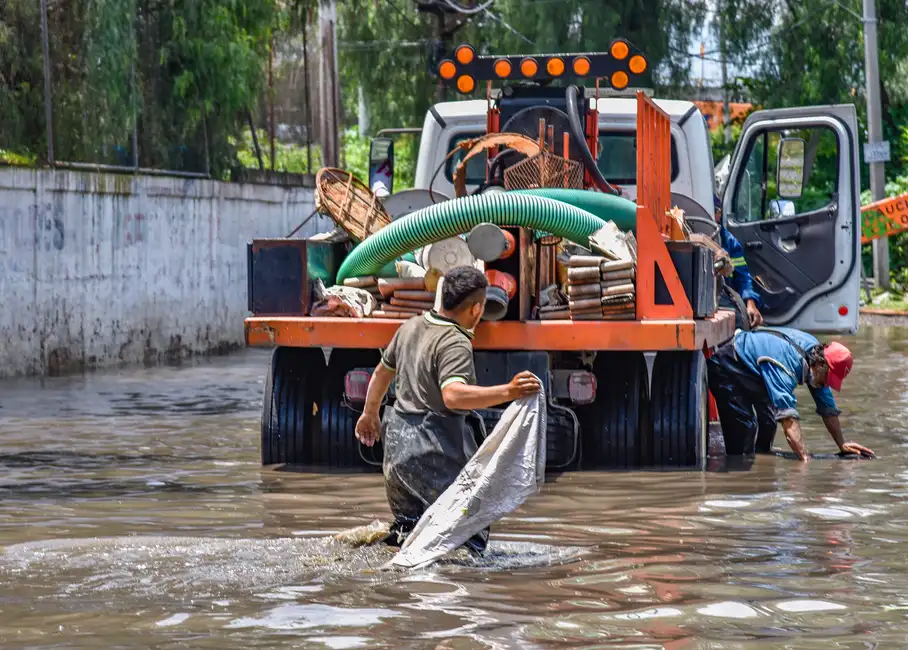
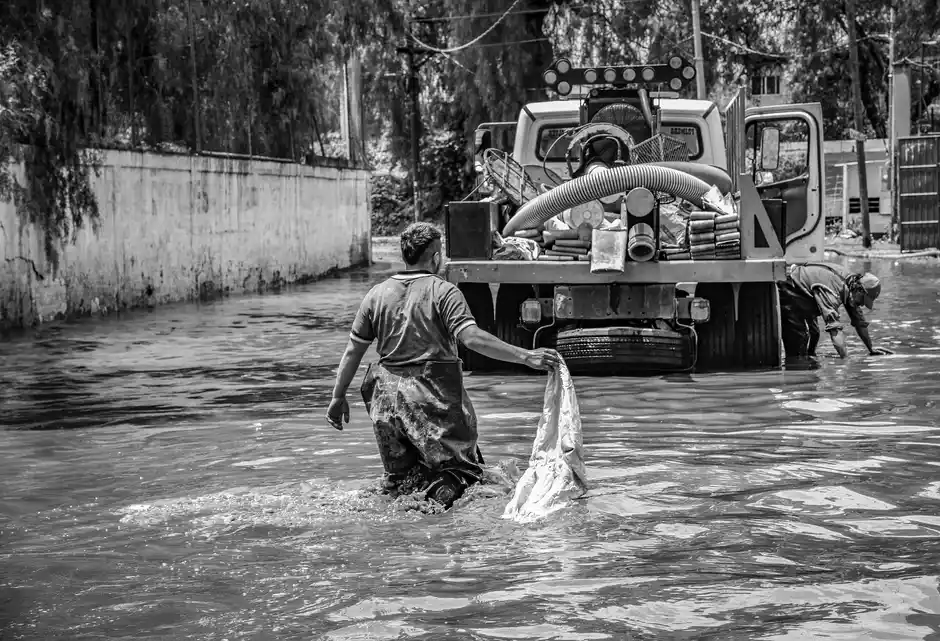
Middletown homes include older houses with masonry basements, multifamily properties, and newer residences with finished lower levels. Water from a burst pipe, appliance connection, or rain entry can spread into carpet, wallboard, stored belongings, and utility areas before you see the full extent. We prioritize safe access, removal of standing water, and checks for damp materials outside the obvious wet spot. For residential 24/7 Water Removal, we ask about the source, rooms affected, and whether the home has children, pets, or mobility needs that affect the work area. We keep a clear path through your home, protect nearby surfaces, and explain which contents can be moved or cleaned. After extraction, we identify where drying equipment will do the most useful work and what readings should be checked again.
- Basement floodwater removal — We pump and extract basement water in Middletown homes, then inspect lower walls, flooring edges, and stored contents. If stairs are narrow or the basement is finished, we choose equipment that fits the access and protect the route from the entrance. You get a clear explanation of what is wet and what needs drying.
- Burst pipe cleanup at home — A burst pipe can send water behind cabinets and beneath flooring before the leak is obvious. In Middletown, we confirm the supply is shut off, extract water from accessible rooms, and check connected areas for moisture. We coordinate the work around plumbing repair and keep the affected area separated from dry rooms.
- Rainwater entry extraction — When rain enters through a basement window or doorway, we remove pooled water and inspect the surrounding wall and floor. Middletown homes vary in foundation and finished-space construction, so we tailor the extraction route and drying setup to your layout. We also identify the visible entry point for follow-up repair.
- Crawl space water cleanup — We address pooled water in accessible crawl spaces beneath Middletown homes, checking the floor, framing, and nearby insulation. Low clearance changes how equipment and hoses can be positioned, so we plan before entering. Once water is removed, we assess whether materials need additional drying or specialized attention.