Residential Water Extraction in Ithaca Homes
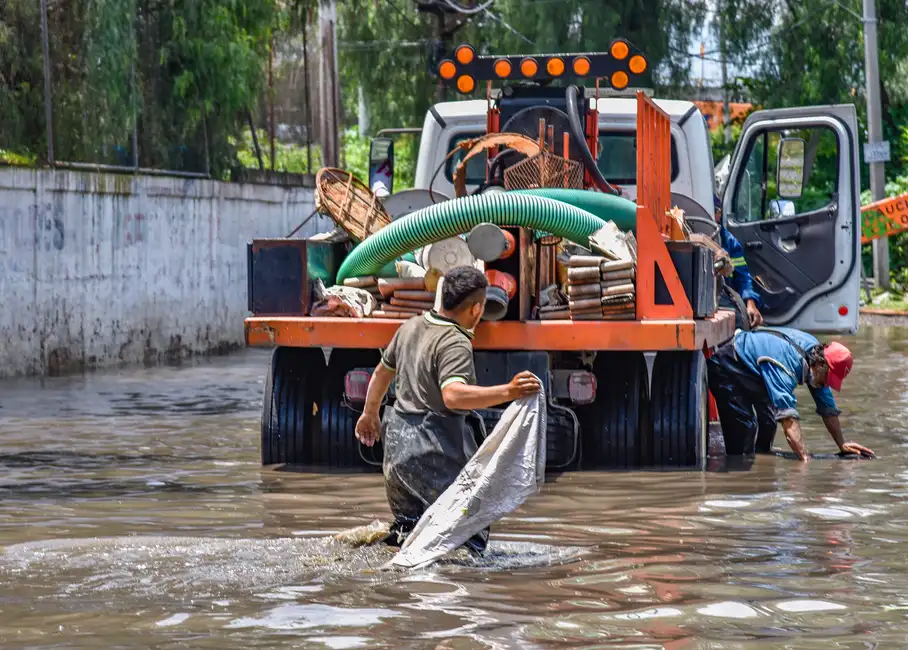
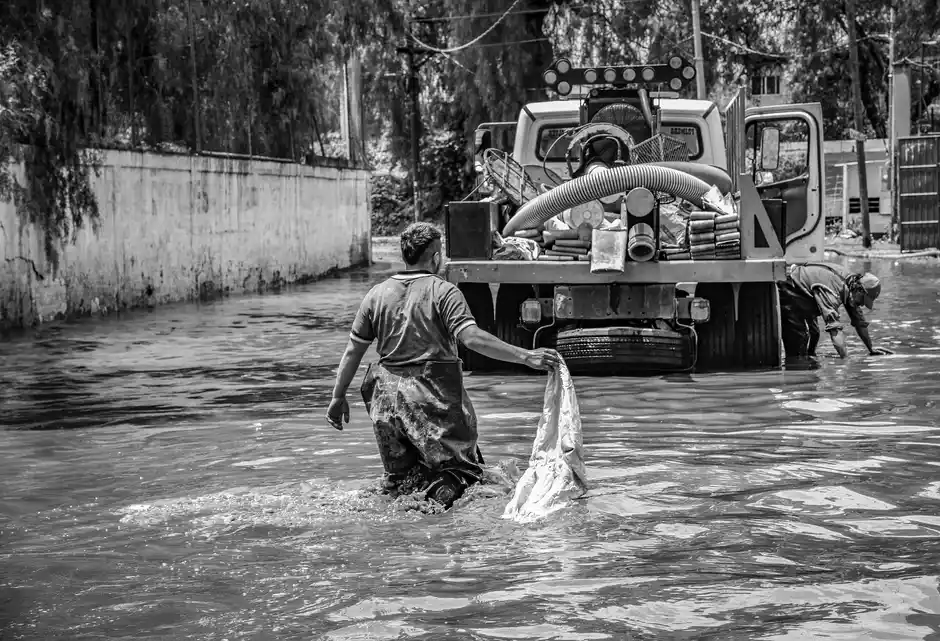
Ithaca homes range from older wood-frame houses with compact basements to newer residences and multi-bedroom rentals. Water can come from a failed supply line, a leaking appliance, rain entering a lower level, or a drain backup. Our residential water removal starts with protecting safe access and getting the water out before it spreads into stored belongings, carpet, or trim. We check the visible boundary and nearby materials, then explain whether drying equipment is needed. If you live in Fall Creek, South Hill, Cornell Heights, or Downtown, tell us about stairs, parking, and the affected floor when you call. That helps us bring equipment suited to your home rather than forcing a standard setup through a tight entry.
- Basement water and contents removal — We pump or extract pooled water from Ithaca basements, clear the work path, and check nearby flooring and wall edges. If boxes, rugs, or furniture are wet, we separate them from active extraction so the affected surfaces stay accessible. You get a practical view of what was reached by water and what should be monitored during drying.
- Burst pipe room extraction — After a plumber or homeowner stops a leak, we remove water from the room and inspect the adjoining floor and wall areas. Ithaca homes with older layouts can have concealed routes behind trim or below flooring. We take readings at likely wet points and place drying equipment where it can reach the affected materials.
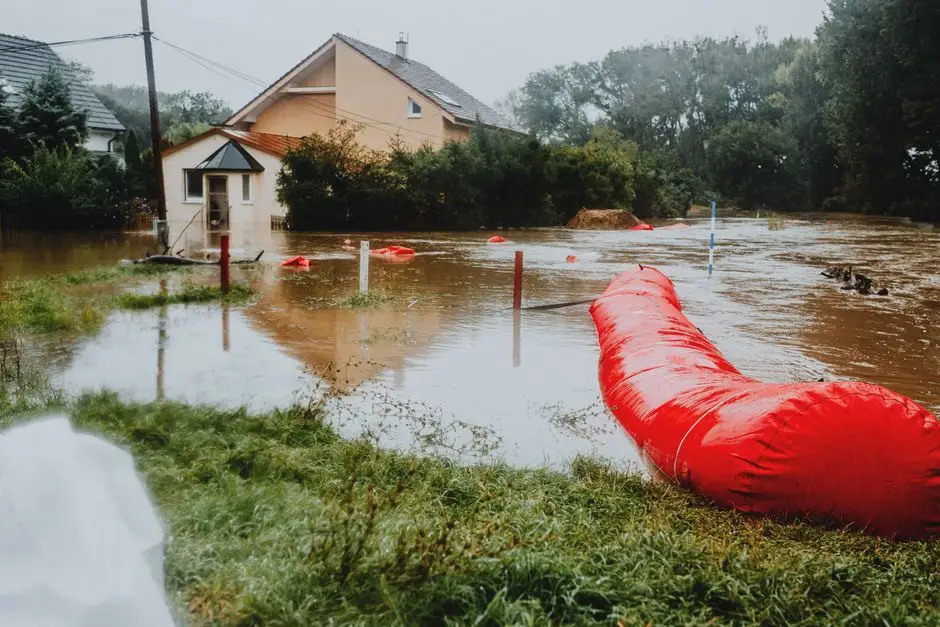
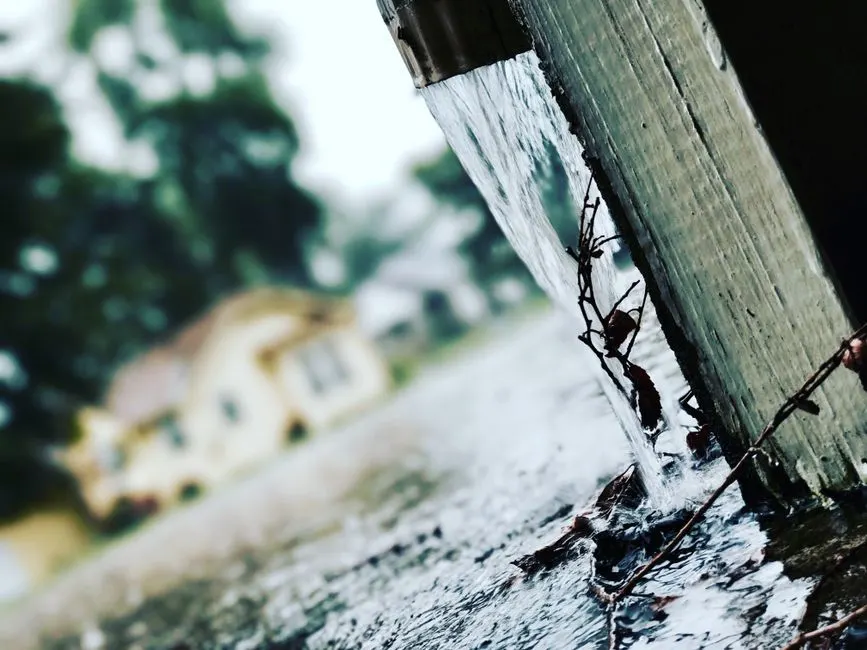
- Rainwater lower-level cleanup — When stormwater enters a lower room, we extract it and check the window well, doorway, or wall-floor area where it appeared. We protect unaffected areas and document the wet boundary. Your home may also need an exterior drainage correction, which we identify separately from the interior removal work.
- Crawl space water removal — We assess crawl-space access, remove standing water with suitable pump equipment, and check visible framing and insulation for wetness. Ithaca homes with sloped lots may have low spots that hold water. We explain the measured conditions and the next drying steps so you know what is happening below the living area.