
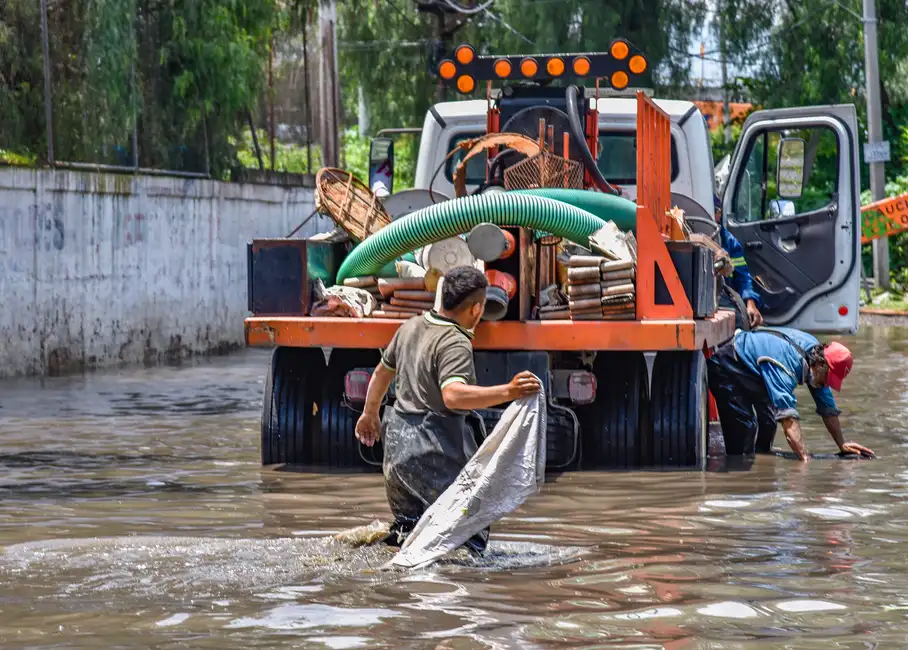
Before water extraction after a pipe bursts, stop the water at the nearest safe valve or main shutoff, keep clear of wet electrical areas, and move people and pets away from the leak. Then protect dry belongings, take photos, and call for professional extraction; do not wait for the floor to dry on its own.
These burst pipe emergency response steps help limit damage while you arrange help in New York. We'll cover safe shutoff, what you can move, what to document, and when our team should take over.
What to do before burst pipe water extraction is an emergency water-damage preparation process that stops incoming water, reduces exposure to hazards, and preserves evidence before soaked materials are removed and dried.
What to do before burst pipe water extraction
Before burst pipe water extraction in New York, stop the source if it is safe, avoid electrical hazards, and clear people and valuables from the affected area. Those actions matter more than trying to mop up a fast leak.
If a pipe is actively spraying, do not stand beneath a bulging ceiling or walk through water near outlets, appliances, or a breaker panel. A few inches of water can conceal cords and floor hazards. If you smell gas, hear sparking, or see a sagging ceiling, leave and call the appropriate emergency service.
Once you can approach safely, shut off the fixture valve or main supply, then open a nearby cold-water faucet to relieve pressure in the line. Place a bucket under a small, controlled drip only if the floor and nearby electricity are safe. Avoid cutting into walls or ceilings to find the pipe.
We provide Water Extraction in New York for homes and buildings dealing with sudden leaks, soaked flooring, and water trapped behind finishes. Your immediate job is to stop the flow and give our crew a clear, safe path to the affected rooms.
How do you shut off the main water supply after a burst pipe?
To shut off the main water supply after a burst pipe, turn the home's main valve clockwise until it stops; if you cannot reach it safely, call your water utility, building superintendent, or plumber for help.
In many New York houses, the main valve is near the water meter in a basement, utility room, or crawl space. In apartments and multifamily buildings, the shutoff may be in a labeled cabinet, shared service room, or locked area managed by the superintendent. Do not force a corroded valve: a broken handle can make the leak worse.
After closing the valve, check whether the spray slows and stops. A short delay is normal as water drains from the line. Turn on a cold faucet at the lowest level and let pressure bleed off; do not operate a water heater with its supply shut off unless you know the equipment instructions.
If the leak is at a sink or toilet and its small shutoff valve turns smoothly, close that valve first. A quarter-turn handle usually closes with a 90-degree turn. If a valve is stiff, leaking, or hidden behind water, leave it alone and get help.
New York's winter freezes raise the risk of pipe failures in exposed basements and exterior-wall plumbing. After the source is controlled, our Emergency Water Extraction in New York team can remove water before it spreads into neighboring rooms or lower floors.
How to limit water damage from a burst pipe
To limit water damage from a burst pipe in New York, move dry items out of the wet area, keep foot traffic low, and arrange extraction as soon as the water source is controlled.
Water wicks upward through drywall and travels beneath laminate, vinyl, and hardwood. A puddle that looks confined to one room can reach carpet padding, baseboards, or the ceiling below. In a two-story home or apartment building, check the room directly underneath without entering if its ceiling is bulging.
Use these steps to protect belongings while waiting for water removal:
- Move documents, medicines, electronics, and small valuables to a dry room; do not carry heavy furniture across wet flooring.
- Lift light furniture onto blocks or dry plastic only if you can do it without strain or electrical risk.
- Place aluminum foil or plastic beneath furniture legs to limit wood stain transfer, but keep the floor accessible for extraction.
- Close doors to unaffected rooms and keep children and pets away from wet areas.
Do not use a household vacuum, shop vacuum, or carpet cleaner on standing water unless the equipment is specifically designed for wet pickup and the power source is unquestionably safe. Never plug fans or dehumidifiers into an outlet in a wet room. A professional crew can assess where equipment can be placed safely.
For water pooling across a basement slab or several rooms, Standing Water Removal in New York addresses the first stage: extracting pooled water before detailed drying and material decisions. We measure moisture in affected surfaces rather than judging the job by the visible puddle alone.
How to document burst pipe damage before cleanup
To document burst pipe damage before cleanup, take wide and close-up photos, record the time you discovered the leak, and save receipts before moving or discarding affected items.
Start with the source area, then photograph each affected room from the doorway and capture details such as waterlines, swollen trim, ceiling stains, and damaged belongings. If it is safe, take a short video showing the leak and the overall spread. Include a familiar object, such as a ruler, beside a stain to give scale.
Make a simple timeline: when you noticed the leak, when you shut off water, who you contacted, and when cleanup began. Keep the broken fitting or pipe section if a plumber removes it, and note the plumber's findings. Do not delay urgent extraction to finish a photo inventory; a few minutes of documentation is useful, but stopping damage comes first.
Keep a list of damaged items with brand, approximate age, and purchase information where available. Photograph serial numbers on electronics and appliances. Save receipts for emergency supplies, lodging, or repairs, and contact your insurer promptly to learn its claim process and documentation requirements.
When we arrive, tell our crew where water appeared first, which shutoff you closed, whether the leak continued, and whether the water contacted sewage, chemicals, or outdoor floodwater. That history helps us choose the right protective equipment and plan the extraction route.
Common mistakes to avoid while waiting for water removal
Common burst-pipe mistakes in New York include reopening the supply to test the pipe, walking through water near electricity, and delaying extraction while trying to dry hidden cavities yourself.
Do not turn the water back on just to confirm the leak. A split pipe can resume spraying immediately, including inside a wall or ceiling you cannot see. Leave the supply off until a plumber has repaired the line and confirms it is safe to restore.
Do not use a hair dryer, heat gun, space heater, or open flame on wet building materials. Heat can damage finishes, create a fire hazard, or push moisture deeper. Avoid peeling back wet drywall or pulling up flooring before the affected area has been assessed; removal can expose wiring and spread debris.
Another mistake is assuming clear water is harmless. Water from a supply line is often initially clean, but it can pick up contaminants from insulation, flooring, soil, or household materials. Keep bare skin away from contaminated water, and wash hands after handling wet items.
Finally, do not wait overnight because the visible water seems small. Water can soak into carpet pad and wall cavities in less than an hour. Winter cold can also complicate drying in an unheated room, while warm indoor conditions encourage microbial growth in persistently damp materials.
When to call a water extraction professional in New York
Call a water extraction professional in New York immediately when water remains after the source is stopped, reaches more than one room, enters a wall or ceiling, or affects electrical equipment or a lower floor.
For a small clean-water drip caught quickly on a hard, nonporous surface, you may be able to dry the area after a plumber repairs the pipe. But if carpet, insulation, drywall, hardwood seams, or subflooring is wet, surface towels will not remove moisture held underneath. Our team uses extraction equipment and moisture checks to identify the affected footprint.
Call without delay if the water came from a drain, toilet, heating system, or unknown source; if a ceiling is sagging; or if the leak is still active. Those situations can carry contamination or structural and electrical risks. We coordinate the cleanup around the plumbing repair so drying does not begin while water is still entering.
For homeowners searching what to do before water extraction after a pipe bursts in New York, the practical sequence is simple: stop the supply if safe, protect people, photograph the damage, and call for help. New York Water Extraction Pros can guide you through the immediate steps and start water removal once the area is safe.
Frequently Asked Questions
What is the first thing to do when a pipe bursts?
Stop the water at the nearest safe shutoff or the main valve, then keep people away from wet electrical areas. If you cannot reach the valve safely, contact your building superintendent, utility, or plumber. Once the flow stops, document the damage briefly and arrange extraction if water has reached porous materials or more than a small hard-surface area.
Should I turn off electricity after a burst pipe floods a room?
Turn off power only if you can reach the breaker panel without stepping into water or touching wet surfaces; otherwise, stay out and call emergency services or the utility. A wet outlet or appliance can remain dangerous even after the water stops. Do not use switches or plug-in equipment in a flooded room.
How long can I wait before water extraction begins?
Call for extraction immediately; do not plan to wait several hours or overnight. Water can spread under flooring and into drywall within minutes, and prompt removal reduces how long materials remain wet. If water is still flowing, stop the source first when safe, but make the call while that is being handled.
What information should I give a water removal company?
Share the leak's location, when you found it, whether the main supply is off, the rooms or floors affected, and the water source if known. Mention electrical hazards, ceiling sagging, contamination, and any plumbing repair already completed. Photos and a short timeline help our crew prepare suitable equipment.
Get help with Water Extraction in New York
Stop the water if safe, keep clear of electrical hazards, and call New York Water Extraction Pros to start the next steps. Call +18668968166 for help with a burst-pipe cleanup.