
Water pools in a New York basement most often because rainwater or a high groundwater level is entering through foundation cracks, wall-floor joints, window wells, or overwhelmed drains; plumbing leaks and sewer backups are other common causes. The location, timing, and water's appearance usually narrow down the source: pooling after storms points toward drainage or foundation pressure, while a fresh puddle near a pipe or appliance suggests a plumbing leak.
Why water is pooling in a New York basement is a practical diagnosis problem: the same puddle can come from different entry points, and removing water without addressing the source leaves the room vulnerable to another flood. New York Water Extraction Pros serves property owners across the area, and Water Extraction in New York includes locating the water, removing it, and drying affected materials. This guide covers likely causes, safe first steps, and when extraction is the right call.
Why is water pooling on my basement floor in New York?
Basement water pooling in New York usually comes from groundwater pressure, a foundation opening, a plumbing failure, or a floor drain that cannot carry water away. The pattern matters: a thin line along the wall after rain is different from a sudden puddle under a hot-water tank.
Water seepage through basement walls commonly appears as dark damp patches, white mineral deposits, or a narrow trickle where a crack meets the floor. Water can also enter at the cove joint-the seam where the wall meets the slab-even when the visible wall looks intact. Older stone and poured-concrete foundations alike can develop openings as materials shift and age.
Use these clues to start sorting the causes of basement water pooling in New York:
- After rain or snowmelt: Check window wells, exterior downspouts, low spots beside the house, and the wall-floor seam.
- Near a fixture or pipe: Look beneath sinks, laundry equipment, water heaters, and exposed supply lines; note whether the puddle returns when the fixture runs.
- Near a floor drain: If water rises from the drain or smells like sewage, stop using plumbing and treat it as a possible sewer backup.
- Across a wide area: A fast rise after a storm can indicate overwhelmed drainage or groundwater entering at multiple points.
A musty smell can show that damp materials have been present for days, but it does not identify the source by itself. Photograph the water line and nearby surfaces before moving belongings; that record helps us trace where the intrusion started.
How rain and New York weather push water indoors
Heavy rain causes basement floor water pooling after rain when soil around the foundation becomes saturated faster than the property can drain it. Water then builds pressure against basement walls and moves through small cracks, porous masonry, window wells, or the wall-floor joint.
New York's fall and winter weather can compound the problem: November rain, frozen ground, thaw cycles, and snowmelt all change how quickly water reaches the foundation. If a downspout releases water beside the house, a 1-inch rainfall can send hundreds of gallons toward that area from an average roof. A clogged gutter or a settling walkway can direct even more toward a low foundation corner.
Look outside during daylight, after the immediate hazard has passed. Downspouts should discharge several feet from the foundation, and soil should slope away rather than funnel water toward the wall. A blocked window-well drain or a well filled with leaves can turn a brief downpour into a direct route indoors.
We see the same storm-related pattern across different communities; homes in Water Extraction in Buffalo can face intense rain and snowmelt, while local lot grading determines whether runoff reaches a basement. The important point is to connect indoor pooling with outdoor water movement, not assume every damp wall needs the same repair.
A sump pump can help manage groundwater, but it cannot keep up if its discharge line is blocked, its check valve fails, or a power outage stops the pump. Test the system according to the manufacturer's instructions and keep the discharge outlet clear of ice and debris during cold weather.
How to find the source of a basement leak in New York
You can narrow down how to find the source of a basement leak in New York by recording when water appears, where it begins, and which plumbing or weather events happen just before it. Start with visible clues, but do not step into water near electrical equipment.
Mark the edge of a small puddle with painter's tape or take a photo with a familiar object beside it for scale. Check again in 30 to 60 minutes. A growing puddle after rain differs from a leak that expands only when the washing machine drains.
- Note whether the water is clear, cloudy, rusty, or foul-smelling. Odor or discoloration can point to a drain or sewer issue.
- Inspect the nearest wall, window well, floor drain, water heater, and exposed pipes without touching wet electrical equipment.
- Listen for running water when taps and appliances are off. If you suspect a supply-line leak, shut off the nearest safe valve or the home's main water supply.
- Compare the timing with rainfall, snowmelt, toilet flushing, laundry, and sump-pump operation.
Do not rely on color alone to identify water as clean. A clear puddle can still have contacted contaminated surfaces, and water from a floor drain or sewer backup needs a different response from rainwater. If you see a cracked foundation, note its location and approximate width; do not fill an active leak with household sealant before the water source is addressed.
What to do when water is pooling in your basement
When water is pooling in a New York basement, keep people away from electrical hazards, stop the source if you can do so safely, and remove standing water before it spreads into walls and stored belongings. A shallow puddle can still soak carpet pad, drywall, insulation, and the bottom plates behind finished walls.
If water is near outlets, a furnace, a panel, or plugged-in appliances, do not wade in to unplug equipment. Turn off power only from a dry, safe location; call emergency services or your utility if you cannot safely isolate electricity. Keep children and pets out of the area.
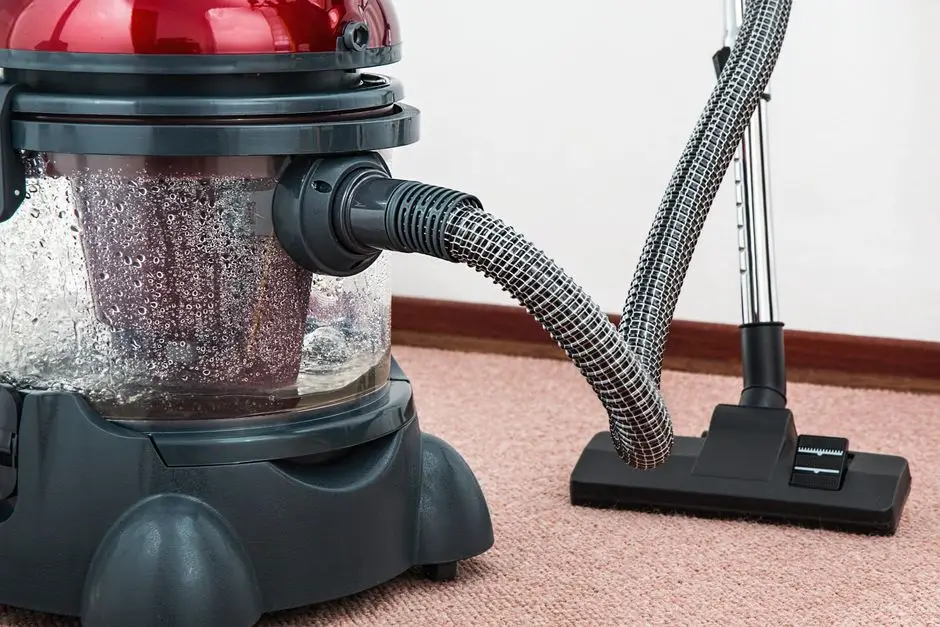
For a small, known, clean-water spill on a hard floor, use a wet/dry vacuum rated for liquid pickup and follow its instructions. Do not use an ordinary household vacuum. Move dry belongings out of the wet area, but avoid carrying soaked boxes through clean rooms where they can spread contamination.
Our team handles Standing Water Removal in New York when a puddle is too deep, keeps returning, or covers more than a small, manageable area. Extraction removes bulk water; drying then requires air movement, dehumidification, and checks of materials that do not dry visibly from the surface.
Take photos before cleanup if you plan to file an insurance claim, and keep a simple list of damaged items. Do not delay urgent water removal just to complete documentation. Once the source is controlled, our technicians can extract water and check whether flooring or wall cavities remain wet.
Common mistakes that make basement water damage worse
Common basement-water mistakes in New York include pumping out water too quickly, ignoring contaminated water, and drying only the visible floor while hidden materials remain wet. A rushed cleanup may leave moisture behind or put a person at risk.
If groundwater is high outside, rapidly emptying a basement can create uneven pressure on the foundation. A structural professional can advise on safe pumping when water is deep or rising; do not run a large pump without considering the condition of the foundation and the rate of incoming water.
Watch out for these avoidable problems:
- Walking through water near electricity: A few inches can conceal energized equipment or cords.
- Using a household vacuum: It is not designed to collect water and can create an electrical hazard.
- Masking the symptom: Painting a damp wall or sealing a crack from inside does not correct poor grading, a failed drain, or a plumbing leak.
- Leaving wet carpet in place: Carpet and padding can hold moisture after the floor looks dry.
- Mixing cleaners: Never combine bleach with ammonia or acidic products, and do not use chemicals on unknown wastewater.
Warm indoor air is not a substitute for controlled drying. In a damp basement, a dehumidifier and air movers help, but equipment placement and moisture checks matter. The goal is to dry the affected assembly-not simply make the room smell less damp.
When to call a professional for basement water removal
Professional basement water removal is the right choice in New York when water is rising, covers a large area, returns after pumping, involves sewage, or reaches electrical equipment or finished walls. Call promptly if you cannot identify the source or if wet materials remain after the visible puddle is gone.
Get help immediately for water from a sewer or floor drain, a burst pipe you cannot stop, or flooding near a furnace or electrical panel. For stormwater, call when a pump cannot keep pace or water continues entering through walls and joints. These situations call for extraction and source assessment, not just towels.
For homeowners in the city, water extraction services in New York can address storm-driven flooding as well as indoor water releases. New York Water Extraction Pros can locate the wet area, remove standing water, and set up drying equipment to reduce the chance of lingering moisture damage.
How to dry a New York basement after water intrusion depends on what got wet: concrete, carpet, drywall, insulation, and framing each retain moisture differently. A restoration team uses moisture readings and checks hidden edges rather than declaring the job finished because the slab feels dry. For recurring Basement Water Removal in New York, we also look at where water entered so you can address the repeated cause instead of cleaning the same puddle again.
In typical 2026 pricing, professional extraction and drying for a limited, accessible basement water loss can run roughly $500-$1,500; larger floods involving finished rooms, contaminated water, or multiple drying days can reach $2,000-$7,500 or more. The water volume, materials, contamination, and equipment time shape the final cost. We explain pricing upfront before work begins.
Frequently Asked Questions
Why does water pool in a basement after rain?
Water pools after rain when saturated soil pushes groundwater through foundation cracks, the wall-floor joint, window wells, or drains that cannot carry runoff away. Check gutters, downspouts, grading, and sump-pump discharge. If pooling continues after the storm or spreads across the floor, arrange extraction and source assessment rather than waiting for the next rainfall.
Can foundation cracks cause basement flooding?
Yes. A foundation crack can admit water, especially during heavy rain or when groundwater rises; even a narrow opening can create a steady seep. Water may also enter through the seam where the wall meets the floor. Note the crack's location and whether it grows, then have persistent leakage assessed and dried.
Should I remove pooled basement water myself?
You can remove a small amount of known, clean water from a hard floor if there is no electrical hazard and you have a wet/dry vacuum rated for liquids. Do not enter water near outlets or appliances, and avoid handling sewage or unknown water. A rising, deep, widespread, or recurring puddle needs professional extraction.
When should I call a water extraction company in New York?
Call as soon as water reaches electrical equipment, rises faster than you can remove it, returns after pumping, or comes from a sewer or drain. Prompt extraction also helps when carpet, drywall, or stored belongings are soaked. Our team can remove standing water, identify wet materials, and begin a controlled drying process.
What causes basement water to appear after heavy rain?
Heavy rain saturates soil and overwhelms gutters, window-well drains, sump systems, or municipal drainage; pressure then pushes water through weak points in the foundation. A puddle that forms within hours of rainfall often has an exterior drainage component. Compare the indoor wet spot with downspouts and low areas outside.
Get help with Water Extraction in New York
If water is pooling in your basement, New York Water Extraction Pros can remove standing water and help you find what is keeping the floor wet. Call +18668968166 to arrange water extraction in New York.