
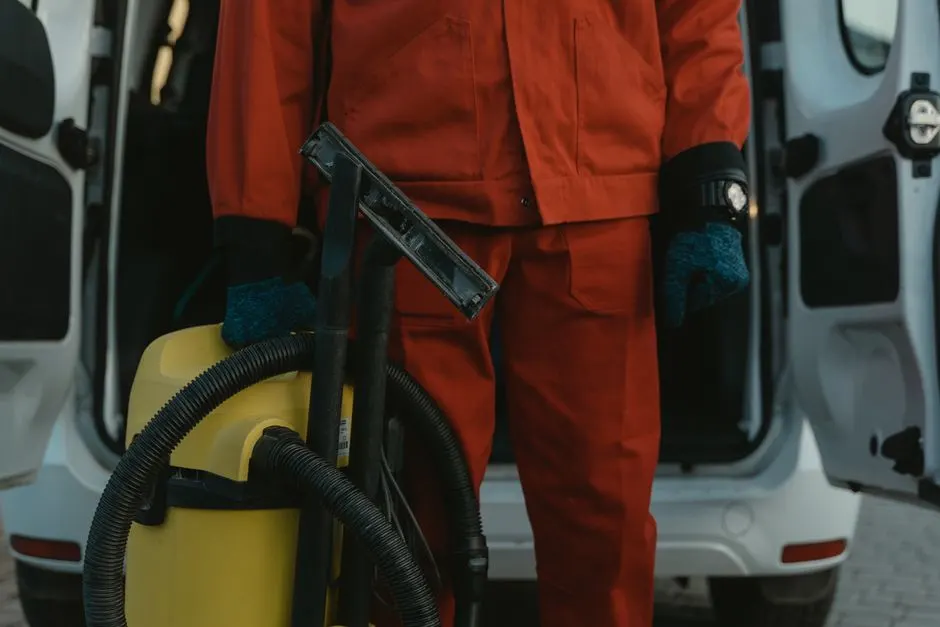
Storm water damage requires professional extraction in Rochester as soon as water covers more than a small, cleanable surface, reaches carpeting or wall materials, keeps entering, or could contact electricity or sewage. If you see standing water, a soaked finished basement, or moisture spreading beyond the visible puddle, call for extraction rather than waiting for the floor to dry on its own.
Professional storm water extraction in Rochester is water removal and structural drying performed with pumps, extraction equipment, and moisture checks. We help you limit damage from storm flooding in Rochester homes, from a few inches around a basement drain to rainwater entering through a window well. The sections below explain how to judge the situation, what to do first, and how a restoration crew handles the work.
Rochester's November rain, freeze-thaw cycles, and snowmelt can expose weak points around foundations and window wells. Our team provides Water Extraction in New York, including storm-related removal when rain overwhelms a sump pump or drainage path.
When does storm water damage require professional extraction in Rochester?
Storm water damage in Rochester calls for professional extraction when water is standing, spreading, contaminated, entering building materials, or near electrical systems. A professional crew can remove water quickly and check the materials that a mop cannot reach.
Call promptly if water covers a finished floor, soaks carpet or insulation, reaches the bottom of drywall, or fills a basement faster than you can bail it out. The same applies when a sump pump fails, a floor drain backs up, or rain continues to seep through a foundation wall. Do not enter water if electrical outlets, appliances, or wiring could be submerged.
A teaspoon-sized drip on sealed concrete that you can safely wipe dry is different from a broad puddle that has been sitting for hours. However, even a small amount deserves attention if it has reached carpet padding, wood trim, stored cardboard, or a wall cavity. Water can travel beneath flooring and behind baseboards before the surface looks dramatically wet.
Our Rochester technicians assess the water source, depth, affected materials, and safety concerns before choosing pumps or extraction tools. We also look for signs that rainwater is mixing with drain backup or soil contaminants, because that changes how the area must be handled.
How much storm water in a basement needs professional removal?
In a Rochester basement, any standing water deeper than a thin film, any water over carpeting, or any recurring seepage is enough to call for professional assessment. There is no safe universal gallon threshold: a shallow layer across a large room can affect more material than a deeper puddle in one small corner.
For perspective, one inch of water across a 20-by-20-foot room is roughly 250 gallons. That volume can saturate floor coverings and reach stored possessions in minutes. Even a quarter inch across the same area is about 62 gallons, far beyond what towels can remove efficiently.
Professional water pump-out after heavy rain is especially important when water is several inches deep, the basement is finished, or it continues rising. A submersible pump can remove bulk water, but extraction from carpet and materials plus controlled drying addresses the water left behind.
For a basement event, our Basement Water Removal in New York service focuses on pump-out and the next steps needed to keep damp materials from turning into a larger repair. In the Rochester area, older basements, low window wells, and downspouts that discharge near the foundation can all contribute to repeat water entry.
Why Rochester stormwater can damage more than the floor
Rochester stormwater can damage wall cavities, subfloors, insulation, and stored belongings even when the visible puddle looks small. Porous materials absorb water, and moisture trapped behind a finished surface dries much more slowly than the exposed floor.
After a heavy rain, water may enter through a foundation crack, a basement window, a door threshold, or a clogged exterior drain. If the sump pump cannot keep up, water can spread across the slab and wick into drywall edges. A wet carpet pad often holds water after the carpet surface feels merely damp.
Timing matters. Mold can begin developing on damp materials within roughly 24 to 48 hours under favorable conditions, while wood swelling and finish damage may start earlier. That does not mean every wet room will grow mold, but it does mean prompt water removal and airflow matter.
Rochester's seasonal conditions add another wrinkle. In late fall and winter, cold outdoor air and frozen ground can slow drainage; a thaw or rain-on-snow event can send water toward foundations. During spring, saturated soil and snowmelt can keep pressure against basement walls for days. If rainwater intrusion repeats in the same spot, tell us; the entry pattern helps identify the affected area.
Homeowners looking for Water Extraction in Rochester often need more than a wet-vac pass. A moisture meter can identify damp drywall or framing outside the obvious water line, and readings help determine whether drying equipment should remain in place.
What happens during professional extraction and drying
Professional storm water cleanup in Rochester starts with a safety check and water removal, then moves to material assessment, extraction, and monitored drying. We match equipment to the water depth and surface, rather than treating every flooded basement the same way.
For deeper water, the crew may use a pump to remove bulk water before extracting moisture from carpet or hard flooring. Air movers circulate air across wet surfaces, while dehumidifiers collect moisture from the room. Drying often takes 2 to 5 days, depending on the amount of water, temperature, building materials, and ventilation.
During the visit, we check areas that are easy to miss: behind baseboards, under carpet edges, around utility penetrations, and near the bottom of cabinets. We document the affected areas and take moisture readings to track progress. If water touched electrical equipment, we keep clear of the hazard and advise that power be handled safely before work enters that area.
When the water source appears to include sewage or outdoor runoff with debris, cleanup requires added protective measures. Stormwater is not automatically clean; runoff can carry soil, animal waste, fuel, and other contaminants. We identify those concerns before deciding how to remove and clean affected materials.
For focused storm response, our Storm and Rainwater Removal in New York service addresses water entering from rainfall and the extraction work that follows. We explain the work and pricing upfront, then focus on getting your space dry and usable again.
What to do after a storm floods a Rochester basement
After storm flooding in a Rochester home, protect people first, stop additional water if you can do so safely, and document the damage before materials are moved. Then arrange extraction if water is standing, has reached porous materials, or continues to enter.
- Stay out of unsafe water. Do not walk through a flooded basement if power may be live, and do not touch a wet electrical panel or appliance.
- Stop the source only if safe. Clear a reachable exterior downspout or move a hose extension away from the foundation; do not enter unstable or flooded areas.
- Record the loss. Take photos or video of water levels, wet belongings, and the likely entry point before cleanup changes the scene.
- Move dry valuables. Lift items from damp floors only if you can do so without entering contaminated or electrically unsafe water.
- Call for extraction. Tell the team the depth, affected rooms, water source, and whether the sump pump or drain failed.
Contact your insurer promptly and ask about documentation requirements, but do not let the call delay urgent water removal. Photograph first when you can do it safely; then stop further damage. A restoration crew can also record affected materials and moisture conditions during the cleanup.
Common mistakes after rainwater intrusion
Common mistakes after rainwater intrusion in Rochester include waiting for a puddle to evaporate, using a household fan without removing trapped moisture, and assuming all stormwater is clean. These choices can leave water inside carpet padding or wall materials.
A shop vacuum is not a substitute for a pump when water is deep, and an ordinary household vacuum must never be used on standing water. Avoid running a furnace or portable heater to speed drying; high heat can damage materials and does not remove moisture from the air. Dehumidification and measured airflow are more useful.
Do not tear out drywall or insulation before checking for electrical lines, plumbing, and the likely water path. Likewise, do not mix household cleaners or apply bleach indiscriminately to porous materials. If the water came through a drain or carries visible contamination, keep children and pets away until the affected space is assessed and cleaned.
Another costly error is replacing a sump pump without investigating why it failed. A blocked discharge line, tripped breaker, stuck float, or inadequate capacity can cause a repeat flood at the next storm. After extraction, check the pump, discharge route, grading, and downspouts so the same water does not return.
When to call a professional
Rochester homeowners should call a professional when water is more than a small wipe-up, affects carpet or drywall, returns after removal, or creates an electrical or contamination concern. Calling early helps remove bulk water before it spreads into more materials.
Contact New York Water Extraction Pros if your basement has standing water, your sump pump has failed during a storm, or rain has soaked finished surfaces. We can assess the affected area, extract water, and set up drying based on the materials involved. If you are deciding when to call a stormwater removal company, describe the water depth and where it entered; those details help us plan the response.
Small water events still deserve a close look if the damp area grows, a musty odor appears, or the same wall gets wet after each storm. We can check beyond the visible edge and explain what needs drying before a minor leak becomes a bigger repair.
Frequently Asked Questions
How do I know if storm water damage needs professional extraction?
Call if water is standing, covers more than a small wipeable patch, reaches carpet or drywall, or remains after several hours. Any water near outlets or appliances is an immediate safety concern. A professional can check hidden moisture and remove water from materials that towels and a household fan cannot dry.
Can a small amount of rainwater cause hidden damage?
Yes. Even a shallow puddle can soak carpet padding or wick into baseboards, and damp materials can support mold growth within about 24 to 48 hours. If a small spot spreads, smells musty, or returns after rain, arrange an inspection and drying rather than judging only by the visible surface.
Who provides storm water removal in Rochester?
New York Water Extraction Pros provides storm water removal and structural drying for Rochester homes. We assess the source and affected materials, pump out standing water, extract moisture, and monitor drying. Tell us whether water entered through a window well, foundation, sump pump, or floor drain so we can respond with the right equipment.
Should I wait for an insurance adjuster before cleanup?
No-do not leave standing water in place while waiting for an adjuster. Photograph the damage first if it is safe, notify your insurer promptly, and arrange urgent extraction to limit further loss. Keep receipts and save damaged materials when practical, but never risk entering electrically unsafe or contaminated water to document it.
When should rainwater damage be dried by a restoration company?
Arrange professional drying as soon as rainwater reaches carpet, padding, drywall, insulation, or wood flooring, ideally within the first 24 hours. Drying commonly takes 2 to 5 days, with moisture readings guiding the end point. A quick surface wipe does not confirm that concealed materials are dry.
Get help with Water Extraction in Rochester
When stormwater reaches your basement or finished rooms, New York Water Extraction Pros can remove standing water and help dry the materials it affected. Call +1 (866) 896-8166 for help with water extraction in Rochester.